Workplace Noise and Hearing Protection Zones
Controlling noise exposure is a key part of protecting workers’ hearing. Where noise cannot be reduced to safe levels by other means, employers must establish hearing protection zones and ensure hearing protection is worn.
What Is a Hearing Protection Zone?
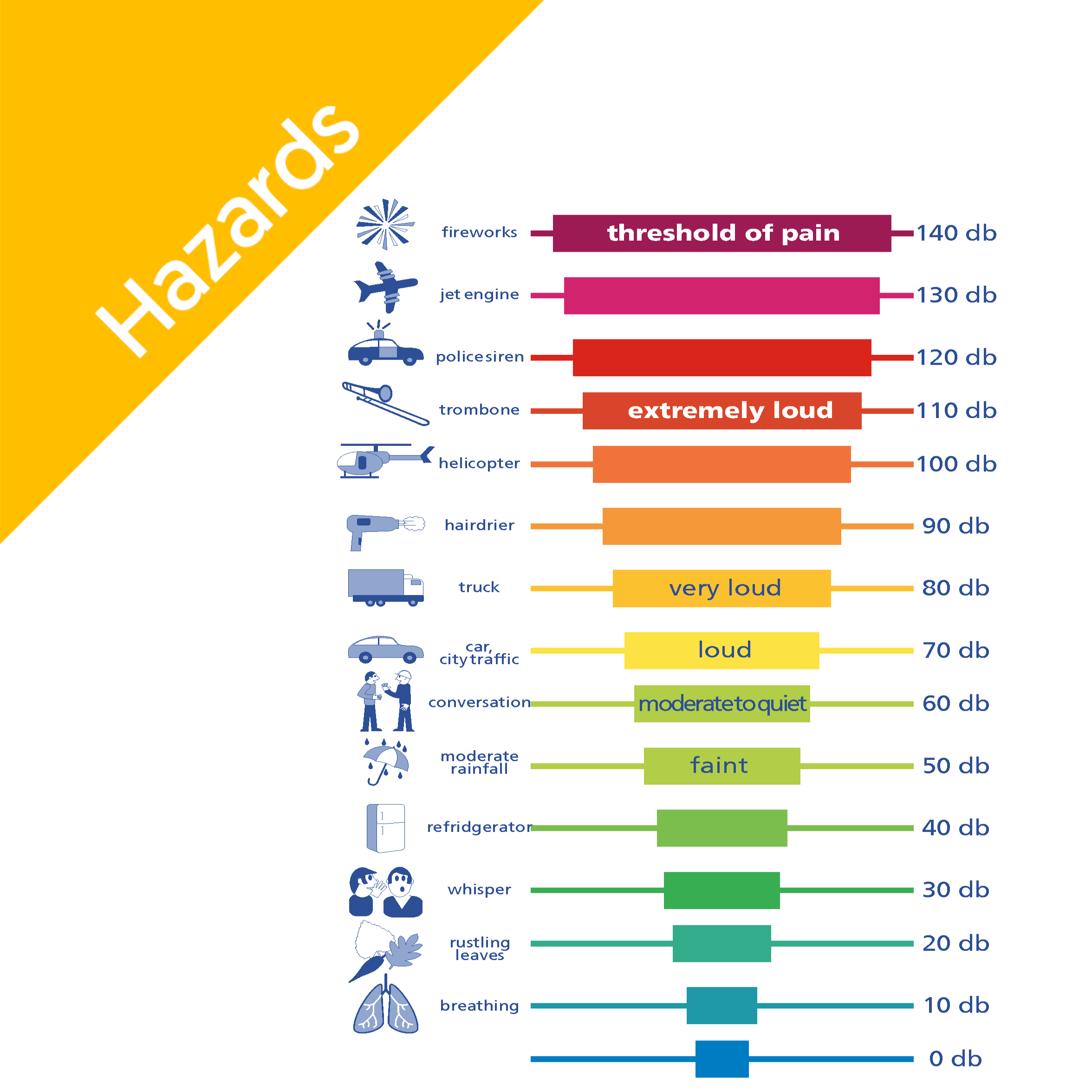
A hearing protection zone is an area of the workplace where noise levels are high enough to pose a risk of hearing damage. In these areas, wearing hearing protection is mandatory. Under UK law, a hearing protection zone is required where:
The daily or weekly personal noise exposure reaches or exceeds 85 dB(A) (upper exposure action value), or
The peak sound pressure level reaches 137 dB(C).
Hearing protection zones must be clearly identified and managed to prevent harmful exposure. Long-term exposure above these levels can damage the sensitive structures of the inner ear, leading to noise-induced hearing loss or tinnitus, both of which are permanent.
Legal Duties Under the Control of Noise at Work Regulations 2005
The Control of Noise at Work Regulations 2005 set out employers’ responsibilities for managing occupational noise risks in the UK.
Where exposure reaches the upper exposure action value, employers must:
Designate hearing protection zones
Provide suitable hearing protection
Ensure hearing protection is worn
Reduce noise exposure so far as is reasonably practicable
The regulations also establish a lower exposure action value of 80 dB(A), at which employers must assess risk, provide information and training, and make hearing protection available on request.
Noise exposure must never exceed the exposure limit value, which represents the maximum level of noise permitted at the ear after hearing protection is taken into account.
Penalties for Failing to Manage Hearing Protection Zones
Failure to properly manage workplace noise, including the absence of required hearing protection zones, can lead to enforcement action by the Health and Safety Executive (HSE) or local authorities.
If an employer does not comply with the Control of Noise at Work Regulations 2005, enforcement action may include:
Improvement Notices, requiring changes to be made within a specified timeframe
Prohibition Notices, stopping work immediately where there is a serious risk to health
Prosecution, which may result in unlimited fines in the magistrates’ or crown courts
In serious cases, particularly where long-term hearing damage has occurred, employers may also face civil claims for compensation in addition to regulatory penalties.
Beyond legal consequences, failing to control noise exposure can lead to:
Permanent hearing loss or tinnitus among workers
Increased sickness absence and reduced productivity
Reputational damage and loss of trust
Higher insurance and compensation costs
Taking proactive steps to identify hearing protection zones and ensure hearing protection is effective is not only a legal requirement but a critical part of responsible risk management. Hearing protection should always be supported by efforts to reduce noise at source, using engineering and organisational controls wherever reasonably practicable.
Introducing the CUFF Framework
Providing hearing protection alone does not guarantee protection from noise. HSE inspections have consistently found that hearing protectors are often damaged, poorly fitted, worn incorrectly, or unsuitable for the task.
The CUFF framework was introduced to address these issues. It is a simple, memorable way to check that hearing protection is genuinely effective in real working conditions.
CUFF stands for:
Condition
Use
Fit the ear
Fit for purpose
Together, these checks help ensure that hearing protection reduces noise exposure to a safe level and continues to do so over time. CUFF should be applied as part of a wider approach to managing noise exposure, including risk assessment, monitoring, and ongoing review.
The Four Elements of CUFF Explained
Condition
Hearing protection must be in good condition to work properly. Employers and workers should regularly check for signs of wear or damage, such as:
Cracked or hardened earmuff seals
Loose or damaged headbands
Dirty, misshapen, or hardened earplugs
Damaged or poorly maintained protectors can significantly reduce noise attenuation and should be replaced promptly. Choosing suitable earplugs or ear defenders forms part of a wider noise protection strategy in the workspace, alongside training and supervision.
Use
Hearing protection must be worn correctly and continuously in hearing protection zones. Removing protection, even briefly, can greatly reduce its overall effectiveness.
Employers should ensure workers understand:
Supervision and clear signage play an important role in reinforcing correct use.
Fit the Ear
Hearing protection must fit the individual wearer properly. A poor fit allows noise to bypass the protection and reach the ear.
Different workers may require different types or sizes of earplugs or earmuffs to achieve a good seal. Comfort is also important, as uncomfortable protection is less likely to be worn consistently.
Fit for Purpose
Hearing protection must provide the right level of attenuation for the noise environment. Over-protection can isolate workers, interfere with communication, and increase other safety risks, while under-protection leaves hearing at risk.
The Single Number Rating (SNR) helps indicate how much noise reduction a protector provides. Employers should select protection that reduces noise exposure at the ear to below 85 dB(A) without unnecessary over-attenuation.
Why the CUFF Framework Was Introduced
The CUFF framework was developed following an HSE inspection activity that highlighted widespread weaknesses in hearing protection management.
Findings included:
Limited understanding of how hearing protection should be worn
Lack of training on the correct use and care
Inconsistent enforcement of hearing protection zones
Inappropriate selection of hearing protection
CUFF provides a practical way to address these issues by focusing attention on the effectiveness of hearing protection in real-world conditions, not just its availability.
Managing Hearing Protection Zones Using CUFF
Establishing hearing protection zones is only the first step. Effective management requires ongoing checks, training, and supervision.
Using the CUFF framework helps employers:
Confirm that protection remains effective over time
Identify problems early
Reinforce safe behaviours
Demonstrate active noise risk management
CUFF works best when integrated into routine workplace checks, toolbox talks, and safety inspections.
Employer Responsibilities in Hearing Protection Zones
Employers are responsible for ensuring that hearing protection zones are properly managed. This includes:
Carrying out noise risk assessments and monitoring
Clearly marking hearing protection zones with appropriate signage
Providing suitable hearing protection options
Training workers in the correct use, fitting, and care
Ensuring hearing protection is worn where required
Employees also have a duty to use hearing protection correctly and follow workplace procedures. Identifying hearing protection zones starts with accurate noise measurement, which is covered in more detail in our guide on how to measure noise levels in the workplace.
Key Takeaways: CUFF and Workplace Noise Control
Noise-induced hearing damage is permanent and preventable
Hearing protection zones are legally required at defined noise levels
The CUFF framework helps ensure hearing protection is effective
Condition, use, fit, and suitability all matter
CUFF supports compliance with the Control of Noise at Work Regulations 2005
CUFF provides a simple, practical approach to improving hearing protection outcomes and reducing the long-term risks associated with workplace noise.
Frequently Asked Questions
What types of hearing protection should be provided in hearing protection zones?
Employers should provide a suitable range of earplugs and earmuffs to allow for individual fit, comfort, and appropriate noise reduction.
How can workers identify hearing protection zones?
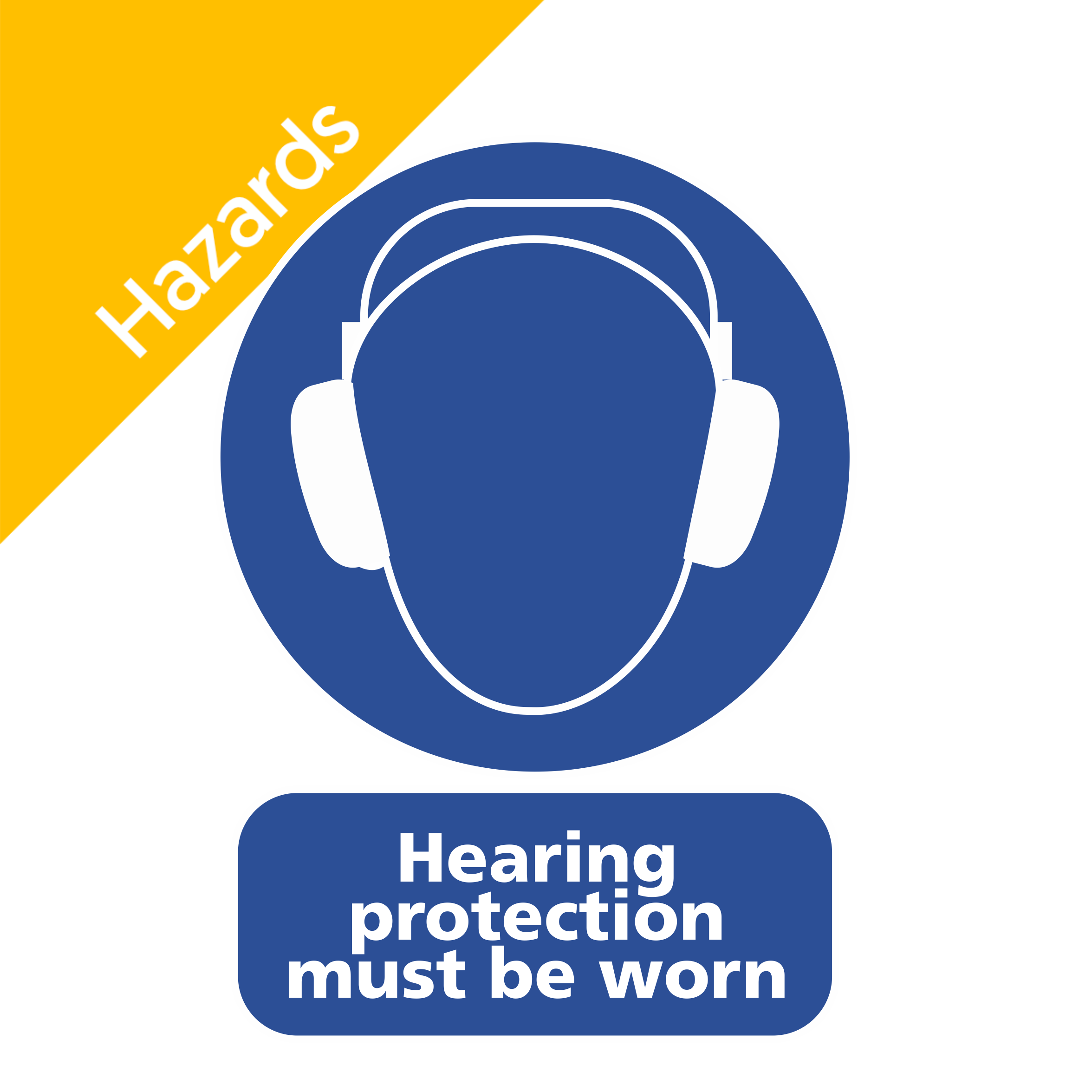
Hearing protection zones must be clearly marked with mandatory signage at entry points indicating that hearing protection must be worn.
Do the Control of Noise at Work Regulations apply to all industries?
Yes. The regulations apply to any workplace where employees are exposed to noise that may pose a risk to health, regardless of industry.
Further Reading
Noise
Get insights on managing noise exposure and implementing hearing protection zones. Learn about lower exposure action values and noise action levels.
Noise
Get insights on managing noise exposure and implementing hearing protection zones. Learn about lower exposure action values and noise action levels.