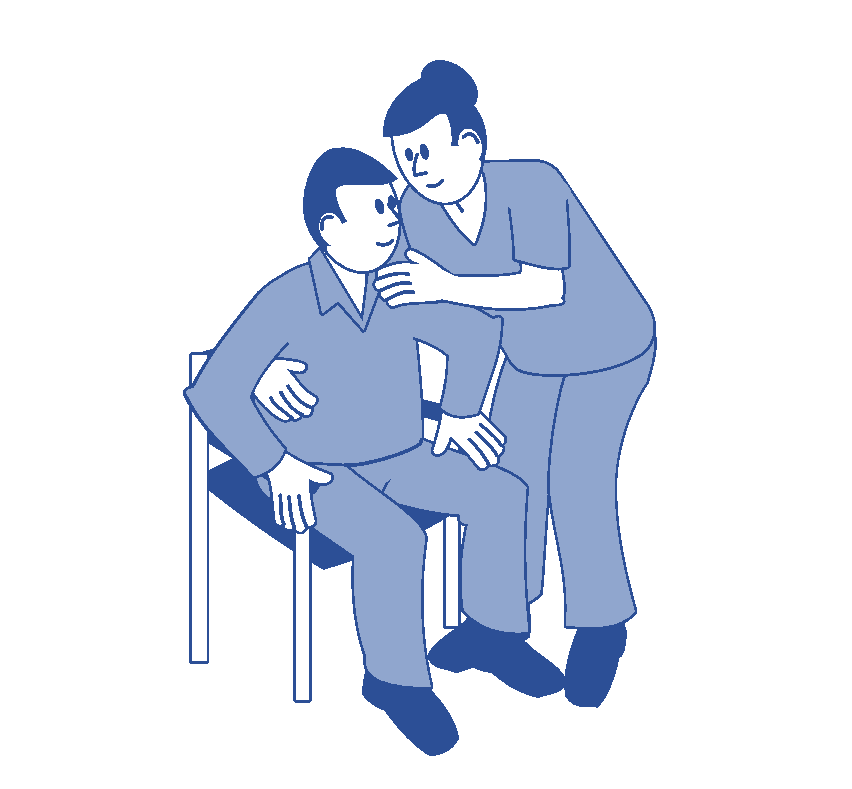
What counts as manual handling in a healthcare setting?
Manual handling refers to any activity where you use your body to lift, lower, push, pull, carry, or move a load. In healthcare and social care, that “load” is often a patient, sometimes called a live load, which makes handling more complex and unpredictable.
Unlike an inanimate object, a patient can move unexpectedly, feel pain, or be unable to help. Every task must be carried out in a way that protects both their dignity and your health. That’s why care plans, clear communication, and correct technique are essential parts of safe handling.
Remember: good practice doesn’t only apply to patients. It also includes tasks like moving laundry, lifting equipment, and handling supplies; all of which can cause injury if done incorrectly.
Why is manual handling especially important in hospitals and care homes?
Healthcare workers face some of the highest manual handling risks of any profession. The combination of long shifts, time pressures, and physically demanding work can lead to fatigue and injury.
For the manual handling of patients, unsafe practices can mean distress, falls, or even life-threatening incidents. That’s why the Care Quality Commission (CQC) requires healthcare providers to show that they’re protecting people from avoidable harm.
In practice, this means:
Regular risk assessments for manual handling tasks
Appropriate training and supervision
Access to safe, well-maintained handling equipment
Clear policies based on current legislation and best practice
When manual handling is done safely, staff stay healthy, patients retain dignity and comfort, and everyone benefits from a safer, more effective care environment.
What are the most common manual handling injuries for healthcare workers?
Manual handling injuries can develop suddenly or over time. The most common are musculoskeletal disorders (MSDs). These are conditions affecting the muscles, tendons, ligaments, and joints, especially in the back, neck, and shoulders.
These can result from:
Repeated lifting, twisting, or bending
Awkward postures (such as leaning over a bed or patient)
Sudden or unbalanced movements when a patient shifts weight unexpectedly
Injuries might include:
Back sprains or disc problems
Pulled muscles or torn ligaments
Shoulder and neck strain
Bruising or fractures from slips, trips, and falls
Even minor strains can build up over time and turn into chronic pain or mobility problems, which is why safe technique and support equipment matter so much.
How should healthcare staff manage manual handling risks?
Both employers and employees have a role to play in managing manual handling activities safely. A structured risk management approach helps reduce harm and meet legal duties.
The key stages are:
1. Avoid – Can the manual handling task be eliminated? For example, could a type of hoist or mechanical aid be used instead of lifting manually?
2. Assess – If it can’t be avoided, carry out a risk assessment. Consider the patient’s mobility, cooperation, weight, and the environment.
3. Reduce – Take steps to minimise the risk of manual handling injuries, such as using handling aids, planning the route, and ensuring everyone involved is trained and competent.
These principles form the backbone of every safe handling policy. Good communication between staff, regular reviews, and clear care plans are just as vital.
What does safe patient handling look like?
Safe patient handling means balancing patient comfort and independence with staff safety. It’s about working with the patient wherever possible, using proper equipment, and following person-centred plans.
Before you move a patient, always:
Review their care plan for mobility and handling needs
Make sure the area is free from obstacles
Check equipment is in good condition
Communicate clearly with the patient and your colleagues
If anything feels unsafe - stop. Reassess and, if needed, ask for help or equipment support. No task should put you or the patient at unnecessary risk.
What equipment helps make manual handling safer in healthcare?
Modern healthcare settings rely on a range of equipment to make manual handling safer and more efficient. Choosing the right tool for each task reduces physical strain and improves patient safety.
Equipment Type | Purpose |
|---|
Mobile Hoists | Lifting and transferring dependent patients between surfaces (e.g. bed to chair). |
Standing Hoists | Supporting patients who can bear some weight to stand. |
Slide Sheets | Repositioning patients in bed with less friction and effort. |
Transfer Boards | Bridging gaps between two surfaces (e.g. wheelchair to car seat). |
Electric Profiling Beds | Adjusting height and position for care or transfers. |
Vertical Lifting Platforms | Raising patients or equipment between different levels safely, reducing the need for manual lifting on stairs or uneven surfaces. |
When using this equipment, ensure you have all the relevant information. Always:
Follow the manufacturer’s instructions and patient care plan
Check compatibility between hoists and slings
Inspect equipment before use
Ensure the right number of carers are present
Never leave a patient unattended during a move
The correct use of handling aids protects both staff and patient, but only if training and maintenance are consistent.
What do the NHS and regulators say about manual handling?
In the NHS, safe manual handling is supported by national regulations and professional standards. The Manual Handling Operations Regulations 1992 set out employers’ responsibilities to assess and reduce risks.
Guidance from the Health and Safety Executive (HSE) and the Royal College of Nursing (RCN) provides practical steps for safe handling. NHS trusts also have their own policies. For example, the NHS Scotland Manual Handling Passport Scheme, which ensures consistent training and assessment across services.
Together, these frameworks ensure that manual handling isn’t left to chance. Rather, it is a key part of delivering safe, high-quality patient care.
Conclusion
Manual handling is one of the most significant safety challenges in healthcare, but it’s also one of the most preventable. With proper training, equipment, and person-centred planning, both staff and patients can stay safe and comfortable.
Whether you’re moving a patient, restocking supplies, or setting up a ward, take a moment to think: Is there a safer way to do this? That question can make all the difference.
Frequently Asked Questions
What training do healthcare workers need for manual handling?
All healthcare staff involved in moving or supporting patients must complete manual handling training. This includes risk assessment, safe lifting techniques, and the correct use of equipment. Training should be refreshed regularly and tailored to your role and workplace.
How often should manual handling policies be reviewed?
Manual handling policies should be reviewed at least annually, or whenever new equipment, procedures, or incidents arise. Reviews help ensure procedures remain relevant and effective.
What should I do if I see unsafe manual handling at work?
If you witness unsafe handling, stop the task if it’s safe to do so and report it immediately to your manager. All incidents should be recorded, and the task reassessed. If issues aren’t addressed, raise concerns through your organisation’s safety reporting channels.
Can patients refuse to use handling equipment?
Yes - and it’s important to respect their choice while balancing safety. If a patient refuses, document it, explain the risks clearly, and involve your supervisor or care lead to find a safe compromise.