What Is a Manual Handling Risk Assessment?
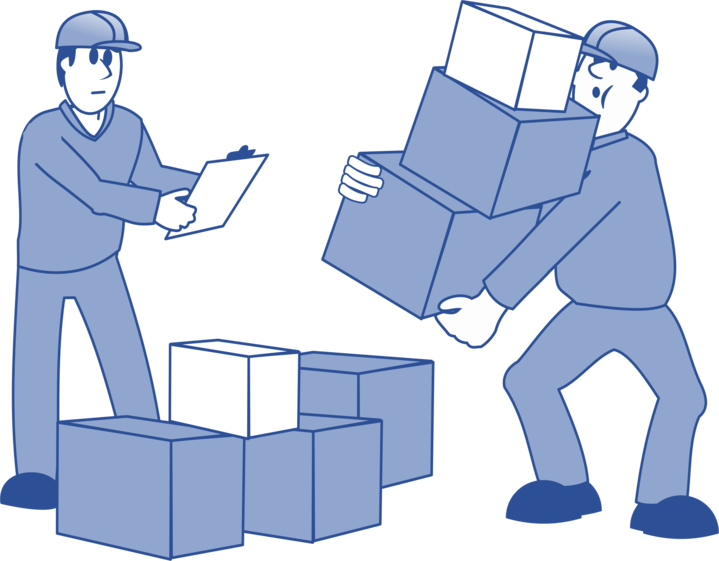
A manual handling risk assessment is a step-by-step check to identify risks when moving or lifting objects, people, or animals. It helps employers:
The goal is simple: identify hazards, assess who might be harmed, and decide how to control the risk.
Why Manual Handling Risk Assessments Are Important?
Manual handling injuries are a leading cause of workplace accidents in the UK, often affecting the back, neck, shoulders, and limbs. They can result from lifting, carrying, pushing, or pulling objects incorrectly, and may lead to long-term pain, time off work, and lost productivity.
Conducting a manual handling risk assessment helps identify hazards, evaluate risks, and implement measures to prevent injuries, keeping employees safe and workplaces compliant. A risk assessment helps you:
Prevent injuries before they happen.
Reduce long-term health problems like musculoskeletal disorders (MSDs).
Keep your team safe and productive.
Meet your legal responsibilities under MHOR.
Legal Requirements in the UK
Under the Manual Handling Operations Regulations 1992, employers must:
Avoid hazardous manual handling tasks where possible (for example, by using mechanical aids).
Carry out a suitable and sufficient risk assessment if the task cannot be avoided.
Record findings if the business has five or more employees.
Review and update assessments when changes occur in tasks, staff, or equipment.
Failing to comply can lead to fines or legal action.
Identifying Hazards in Manual Handling Tasks
Start by spotting activities that could cause injury. Common hazards include:
Lifting awkward or heavy loads.
Repetitive actions or tasks that require sustained effort.
Bending, twisting, or reaching.
Pushing, pulling, or dragging objects.
Environmental risks like uneven floors, poor lighting, or slippery surfaces.
Loads that are unstable, sharp, or difficult to grip.
Talk to employees, observe tasks, and check accident records to identify hidden hazards.
Examples of High-Risk Tasks
Stocking shelves in retail or warehouses.
Moving patients or residents in healthcare settings.
Pushing heavy trolleys or carts in manufacturing or logistics.
Carrying tools or building materials on construction sites.
Moving office furniture or boxes.
Even small tasks can cause injuries if they involve physical effort.
Gathering Information for Your Assessment
Use the TILE or TILEO framework to gather details:
Factor | What to Check |
|---|
Task | Does it involve twisting, stooping, or long carrying distances? |
Individual | Consider strength, health, pregnancy, age, and training. |
Load | Check weight, size, shape, stability, and grip. |
Environment | Look at lighting, floor conditions, space, and temperature. |
Other Factors | Clothing or personal protective equipment (PPE) that may affect safety. |
Collecting this information ensures your assessment is accurate and practical.
Evaluating Risks with Tools
The HSE’s MAC (Manual Handling Assessment Chart) tool can help you score risks objectively. It considers lifting, team handling, and repetitive tasks. A higher score indicates high risk and shows where action is most needed.
Tailoring and Reviewing Your Assessment
No workplace is the same, so customize your assessment:
Adapt templates to your tasks, staff, and environment.
Involve employees (they know the tasks best).
Make adjustments for language, health conditions, or experience.
When to Review
Update the assessment if:
You introduce new equipment or processes.
Staff or roles change.
An accident or near-miss occurs.
You notice control measures are not being followed.
Reviewing the assessment on a regular basis ensures it remains accurate and effective.
High-Risk Industries
Some sectors are more likely to face manual handling risks:
Construction – lifting heavy materials like bricks and timber.
Healthcare – moving or supporting patients.
Retail & Warehousing – stocking shelves and handling deliveries.
Manufacturing – repetitive tasks and moving heavy components.
Tailoring assessments to these industries ensures safety measures are practical and relevant.
Conclusion
Manual handling risk assessments are essential for preventing injuries and keeping workplaces safe. By identifying hazards, evaluating risks, and implementing control measures, employers can reduce accidents and improve employee wellbeing. Regular reviews, proper training, and using tools like TILE, TILEO, and MAC charts ensure your assessments stay effective.
Download our free template to make your assessments easier and more effective. Start protecting your team today!
Frequently Asked Questions (FAQ)
1. How often should I conduct a manual handling risk assessment?
Assessments should be reviewed regularly and updated whenever tasks, staff, or equipment change, or after an accident or near-miss.
2. Who should perform the assessment?
A competent person who understands the workplace and its manual handling tasks should carry out the assessment.
3. Can small businesses use the same template as large organizations?
Yes, the template can be adapted to suit businesses of any size. Make sure to adjust it to reflect your workplace’s specific tasks and risks.
4. What common mistakes should I avoid when doing a manual handling risk assessment?
Ignoring employee input.
Failing to account for all tasks, including occasional ones.
Overlooking environmental factors like flooring, lighting, or space constraints.
Not reviewing the assessment regularly.
Forgetting to implement or follow up on control measures.
5. Are employers legally required to record findings?
Yes, if your business has five or more employees, the findings of your risk assessment must be recorded.