What Is Lone Working?
Lone working refers to any situation where a person works by themselves without close or direct supervision. This may include working:
Alone at a fixed location
Away from the main workplace
Outside normal working hours
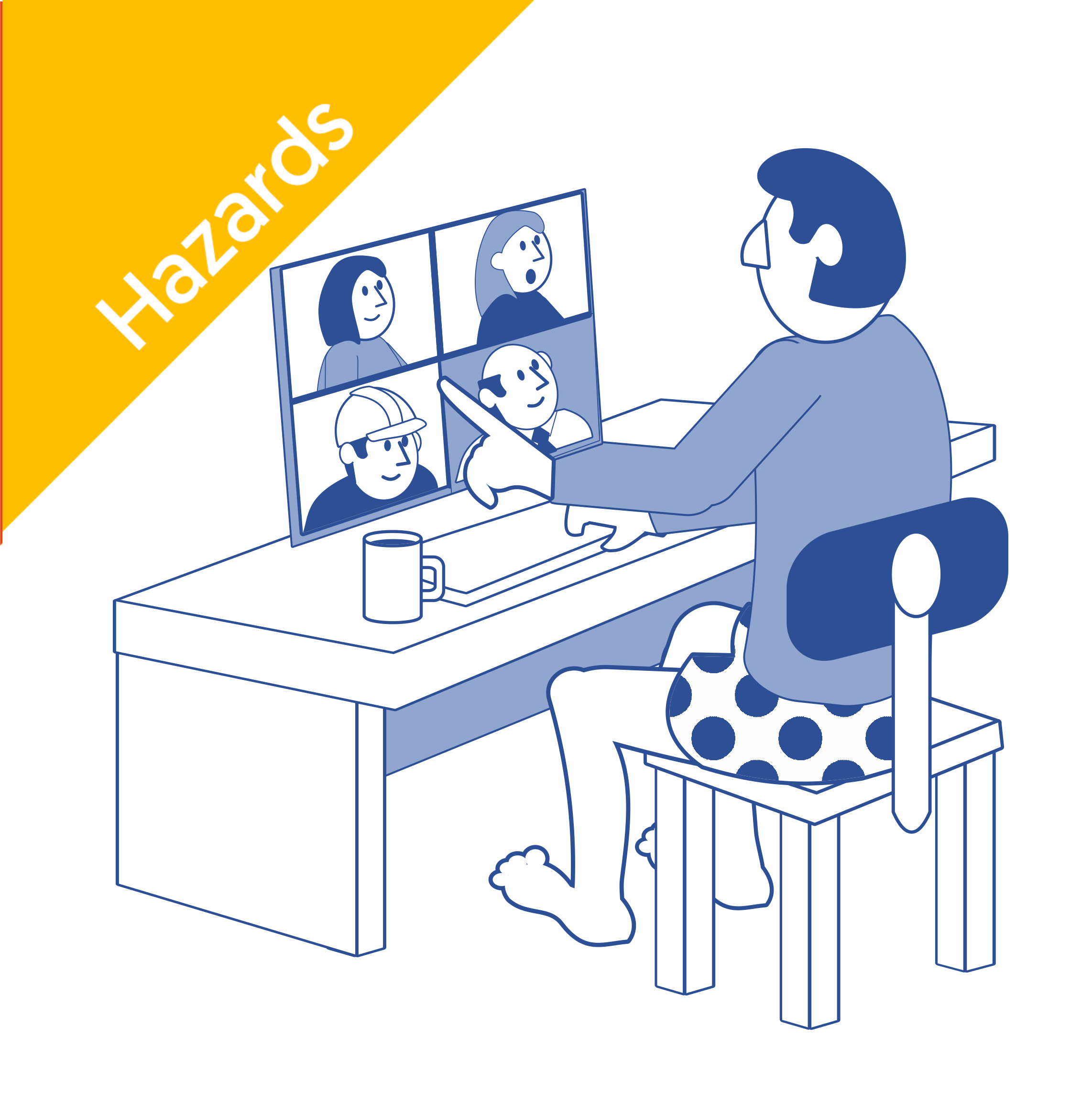
At home or remotely
In isolated or high-risk environments
Lone workers are not limited to a single job role or industry. Anyone whose work involves limited contact with others may be considered a lone worker for health and safety management.
Why Lone Working Can Be a Risk
Lone working can increase the likelihood and severity of harm because help may not be immediately available if something goes wrong. This can include accidents, sudden illness, equipment failure, or incidents involving violence or aggression.
Common lone working risks include:
Delayed response in emergencies
Increased risk of violence or verbal abuse
Manual handling injuries without assistance
Slips, trips, and falls in isolated areas
Stress, fatigue, or mental health issues
Many of these risks can be controlled with proper planning and supervision.
What Are Some Examples of Lone Working Incidents?
Lone working incidents can occur across many industries and often involve situations where immediate help is not available. These incidents highlight why risk assessments and control measures are essential.
Examples of lone working incidents include:
A maintenance worker suffering a fall in an isolated plant room
A care worker being injured while assisting a client without support
A security guard is experiencing violence while working alone at night
A delivery driver is becoming unwell while working in a remote location
A home worker suffering a medical emergency situation without regular contact
Many lone working incidents become more serious due to delayed response times. Effective communication systems and emergency procedures can significantly reduce the impact of these events.
The Law on Lone Working
There is no single piece of legislation that specifically prohibits lone working. However, UK health and safety law places clear duties on employers to protect lone workers.
Key legislation includes:
These laws require employers to assess risks, implement control measures, and ensure safe systems of work for all employees, including those who work alone. The Health and Safety Executive (HSE) has produced guidance to support compliance with the Health and Safety at Work Act and to reduce the risks of lone working.
Who Is Responsible for Lone Worker Safety Issues?
Employers are responsible for ensuring the health, safety, and welfare of lone workers. This includes identifying lone working activities, assessing risks, and providing appropriate controls, training, and supervision.
Employees also have responsibilities, including:
Following lone working procedures
Using safety equipment correctly
Maintaining communication as required
Reporting hazards, incidents, or safety concerns
Where contractors or agency workers are involved, responsibilities should be clearly defined and coordinated.
Lone Working Risk Assessment
A lone working risk assessment is a key requirement where work is carried out without close supervision.
A thorough risk assessment should:
Identify lone working activities
Consider who may be harmed and how
Evaluate the likelihood and severity of harm
Identify control measures
Be reviewed regularly or when circumstances change
The level of assessment required will depend on the nature of the work and the risks involved.
Managing Lone Workers Safely
Managing lone workers safely requires a planned and proportionate approach. Control measures should be tailored to the risks identified in the assessment and may include a combination of procedural, technical, and organisational controls.
Effective lone working risk management may involve:
Clear lone working procedures
Defined communication and check-in arrangements
Emergency response plans
Training and competence management
Monitoring and review
Communication and Monitoring Arrangements
Maintaining contact with lone workers is essential to ensure their safety. The level of monitoring required will depend on the level of risk and the nature of the work.
Examples of communication and monitoring measures include:
Scheduled phone or video check-ins
Lone worker devices or apps
GPS tracking where appropriate
Supervisor call-backs
Clear escalation procedures if contact is lost
Systems should be reliable, understood by workers, and tested regularly.
How Can Technology Help Improve the Safety of Lone Workers?
Technology plays an increasingly important role in improving lone worker safety, particularly where direct supervision is not possible. Used correctly, it helps maintain contact, monitor well-being, and enable a faster response in the event of an emergency.
Technology that can support lone worker safety includes:
Lone worker devices with panic alarms and man-down alerts
Mobile phone apps designed for lone working check-ins
GPS tracking to help locate workers quickly in an emergency
Automated check-in systems that raise alerts if contact is missed
Two-way communication tools for regular welfare monitoring
These systems do not replace risk assessments or safe working procedures, but they can significantly reduce response times and provide reassurance to both workers and employers. Technology should always be selected based on the level of risk and integrated into existing lone working arrangements.
How Can Employers Support the Mental Health of Lone Workers?
Lone working can affect mental health as well as physical safety. Working in isolation may increase feelings of stress, fatigue, anxiety, or loneliness, particularly for remote or mobile workers.
Employers can support the mental health of lone workers by:
Maintaining regular contact and check-ins
Encouraging open communication about workload and wellbeing
Ensuring lone workers are not socially isolated from teams
Providing access to mental health support or employee assistance programmes
Monitoring working hours to prevent fatigue and burnout
Training managers to recognise early signs of stress or poor mental health
Supporting mental well-being helps reduce absence, improves morale, and forms an important part of a holistic lone working risk assessment.
Training and Competence for Lone Workers
Lone workers must be competent to carry out their tasks safely without direct supervision. This includes understanding the risks they face and how to respond if something goes wrong.
Training may cover:
Lone working risks and procedures
Personal safety and conflict management
Emergency response and first aid
Use of lone worker technology
Training should be proportionate to the risks and refreshed as needed.
What Simple Steps Can Lone Workers Take to Stay Safe?
Lone workers can take several practical steps to reduce risk and protect their own safety while working alone. Many incidents can be prevented by following agreed procedures and maintaining good communication.
Simple steps lone workers can take include:
Following lone working procedures and risk assessments at all times
Letting someone know where they are working and when they expect to finish
Keeping mobile phones or lone worker devices charged and accessible
Carrying out dynamic risk assessments if conditions change
Avoiding unnecessary risks and stopping work if they feel unsafe
Reporting potential hazards, near misses, or concerns promptly
Lone workers should never feel pressured to continue work if conditions become unsafe or if they lose contact with their employer.
When Lone Working May Not Be Suitable
In some situations, lone working may not be appropriate due to the level of risk involved. This may include:
High-risk activities where immediate assistance is required
Work involving dangerous equipment or substances
Tasks with a high likelihood of violence or aggression
Situations where workers are not sufficiently experienced
In these cases, alternative arrangements should be made to reduce risk.
Key Takeaways: Lone Working Safety
Lone working is common and not prohibited, but it must be managed safely
Employers have a legal duty to assess and control lone working risks
Risk assessments are central to identifying suitable controls
Communication, training, and monitoring are essential
Many lone working risks are preventable with proper planning