Fire Safety Regulations UK
Fire safety in the workplace is governed by the Regulatory Reform (Fire Safety) Order 2005 in England and Wales (with equivalent legislation in Scotland and Northern Ireland).
Under fire safety regulations UK, the Responsible Person must:
Carry out and regularly review a fire risk assessment
Implement appropriate fire safety measures
Maintain fire detection and alarm systems
Provide suitable fire protection equipment
Ensure staff receive fire safety training
Fire Risk Assessment & Fire Risk Management
A fire risk assessment is the foundation of workplace fire safety.
It should:
Identify fire hazards
Identify people at risk
Evaluate and reduce risks
Record findings and implement controls
Review regularly
Fire risk management is an ongoing process, ensuring controls remain effective as the workplace, workforce, or activities change.
Understanding Fire Behaviour: Fire Triangle & Fire Tetrahedron
Understanding the principles of fire, how they start and how they spread, supports better fire prevention.
Fire Triangle
A fire requires:
Removing any one of these elements will stop a fire.
Fire Tetrahedron
The fire tetrahedron adds a fourth element:
This explains why some extinguishers interrupt combustion rather than simply cooling the fire.
To understand how fires start, spread and are extinguished, our guide to the fire triangle and fire tetrahedron explains the science behind fire behaviour.
Fire Prevention & Fire Safety Management
Good fire safety management focuses on preventing fires before they start.
Key measures include:
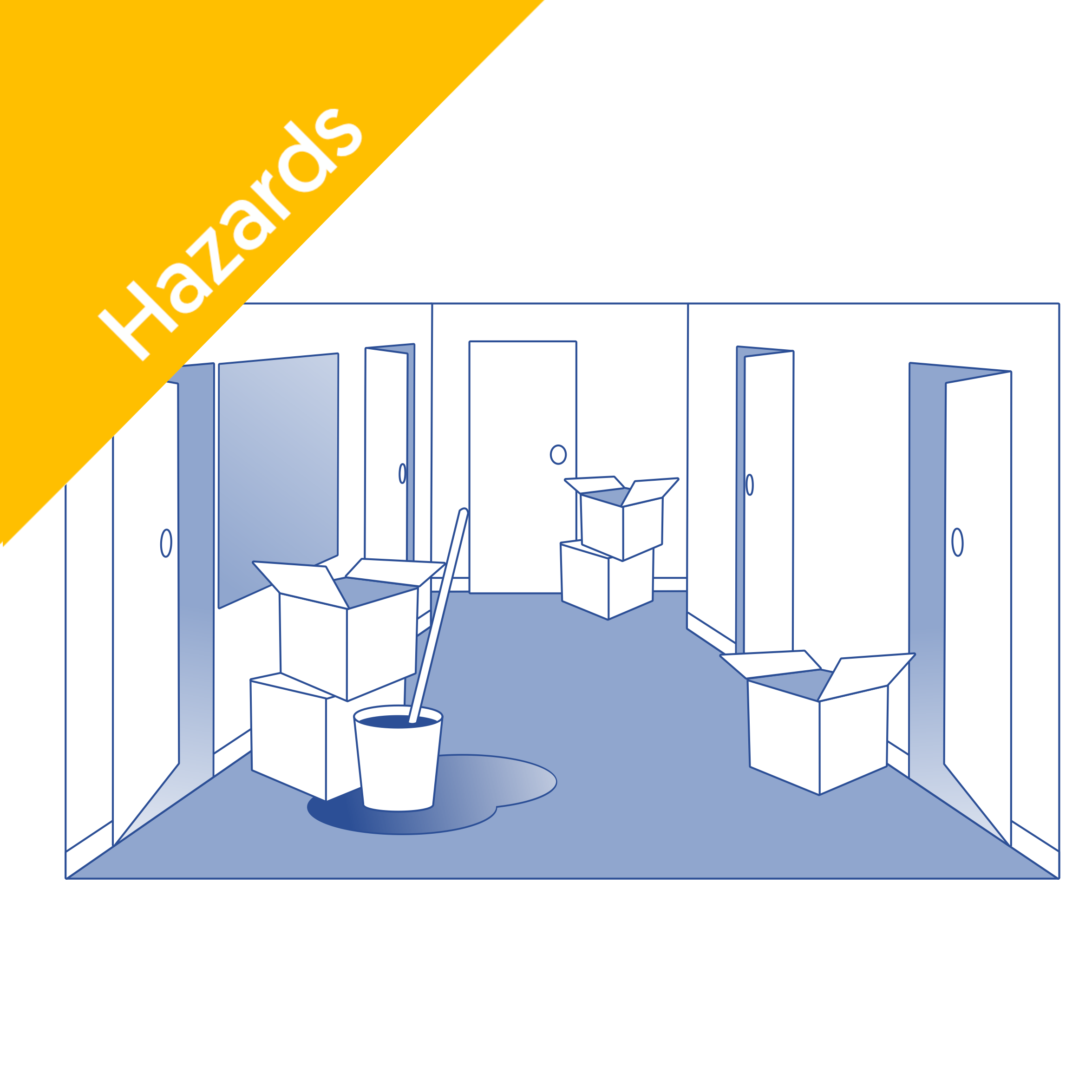
Safe housekeeping practices
Correct storage of combustible materials
Safe electrical systems
Controlling ignition sources
A clear escape plan
Strong management systems significantly reduce the likelihood of workplace fires. Good housekeeping is a simple but effective control measure. Our article shows how safe housekeeping helps prevent workplace fires.
Fire Detection and Alarm Systems
Fire detection and smoke alarm systems provide early warning so occupants can evacuate safely.
Systems may include:
All systems should be regularly tested, maintained, and appropriate for the building’s risk profile.
Fire Protection Equipment & Fire Extinguisher Uses
Fire protection equipment helps control or suppress fires in their early stages.
Types of Fire Extinguishers
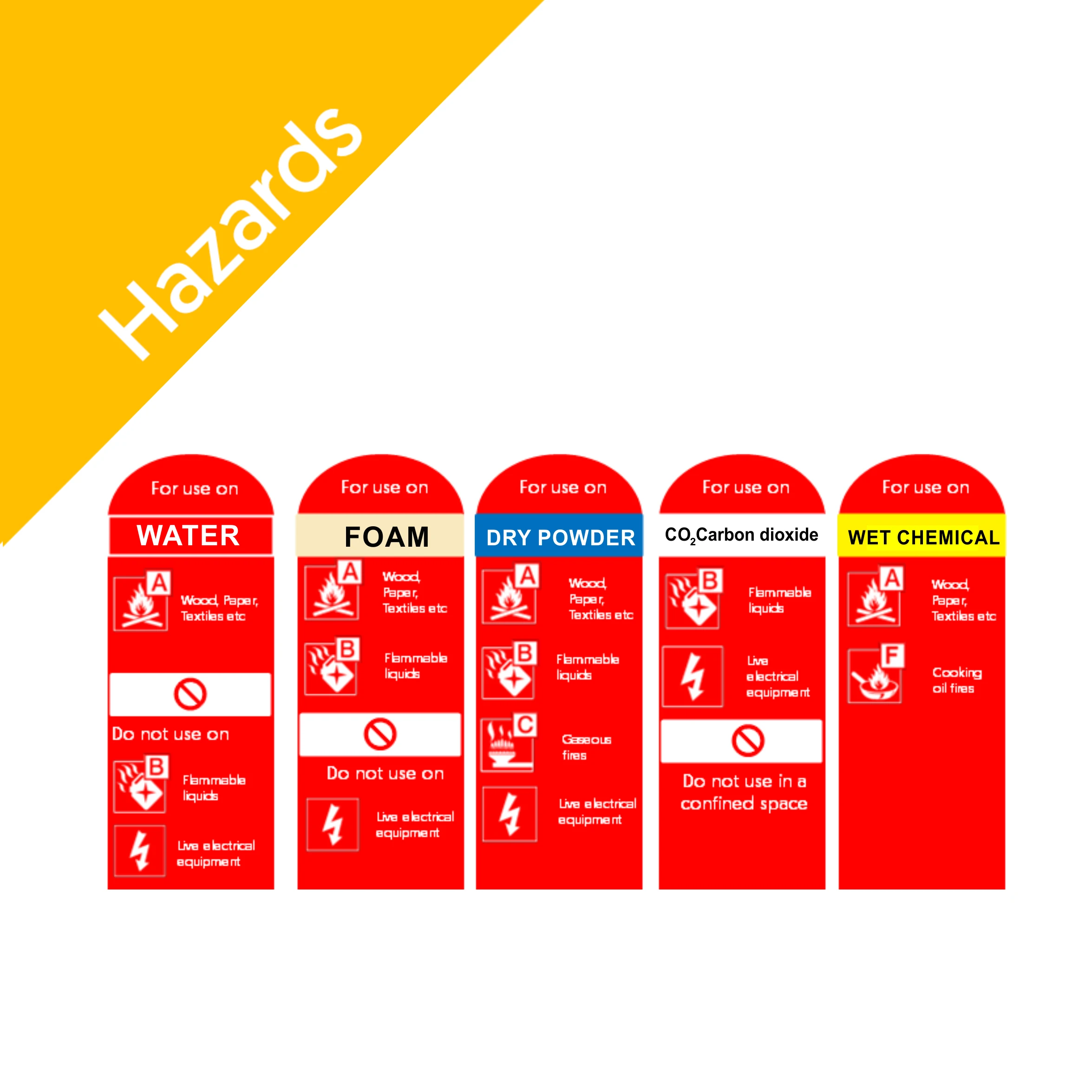
Different extinguishers are designed for different fire classes, including:
Water
Foam
CO₂
Dry powder
Wet chemical
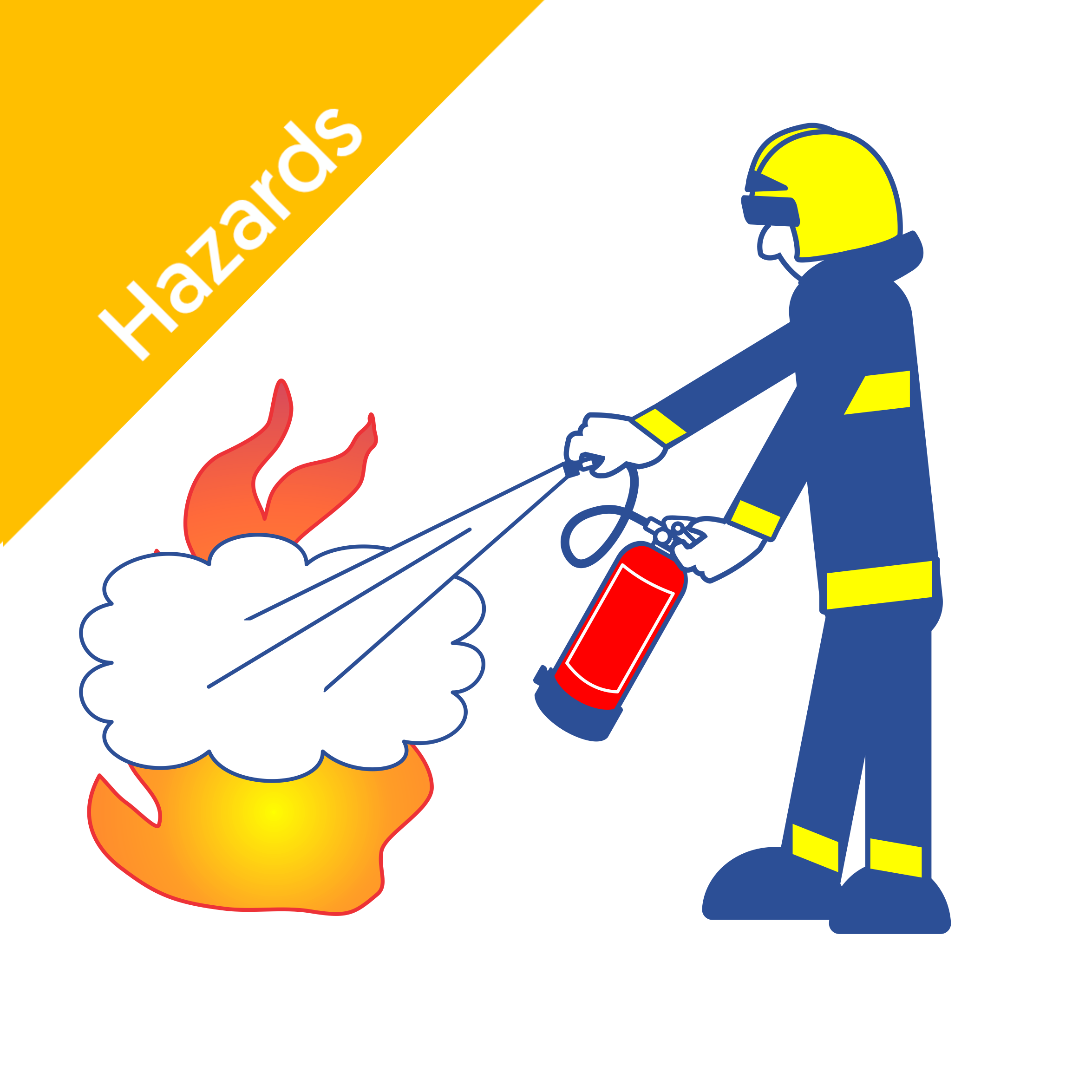
Understanding fire extinguisher use is essential to avoid escalating a fire or causing injury. To ensure the correct response to different fire classes, see our guide to the different types of fire extinguishers and their correct uses.
Fire Evacuation Plan & Emergency Procedures
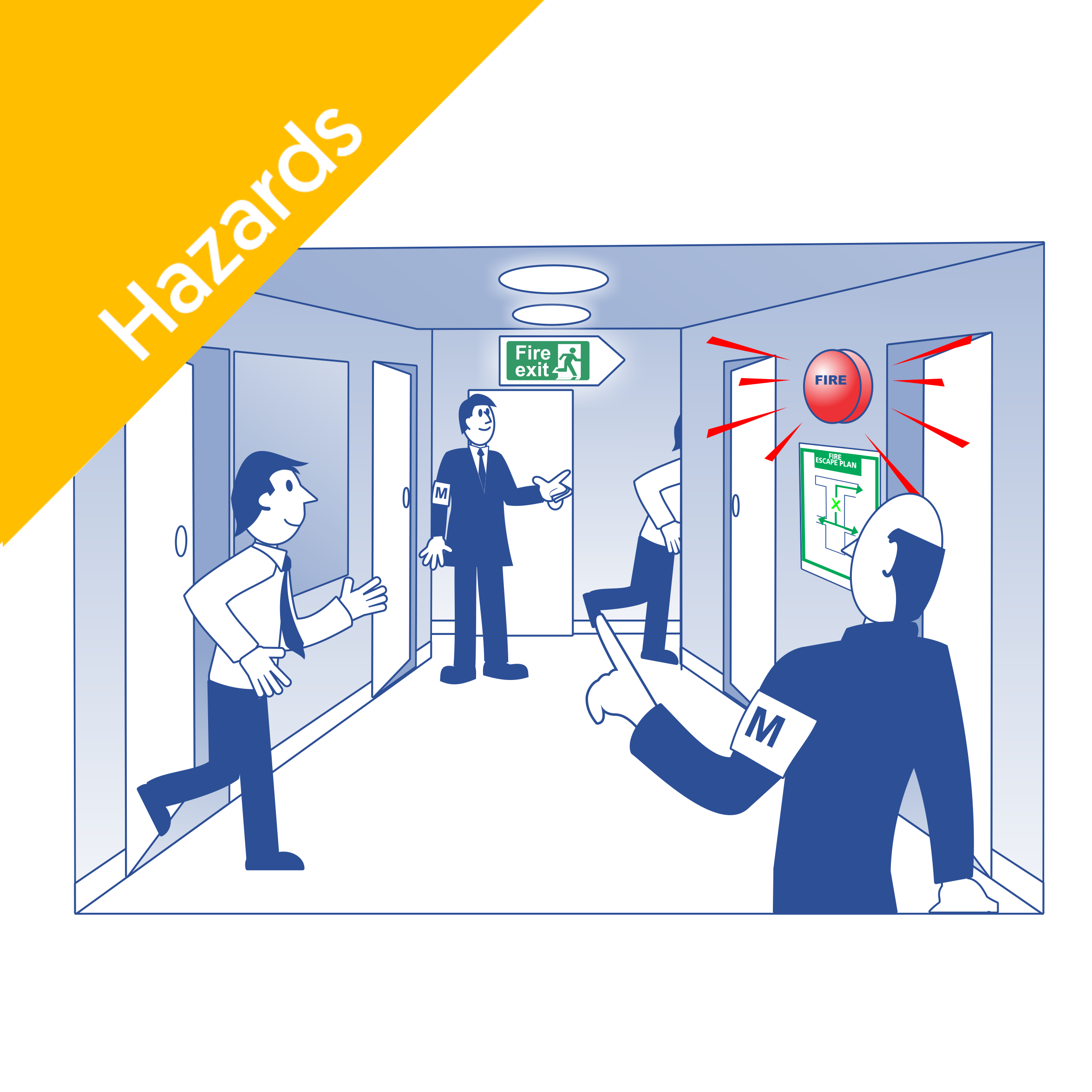
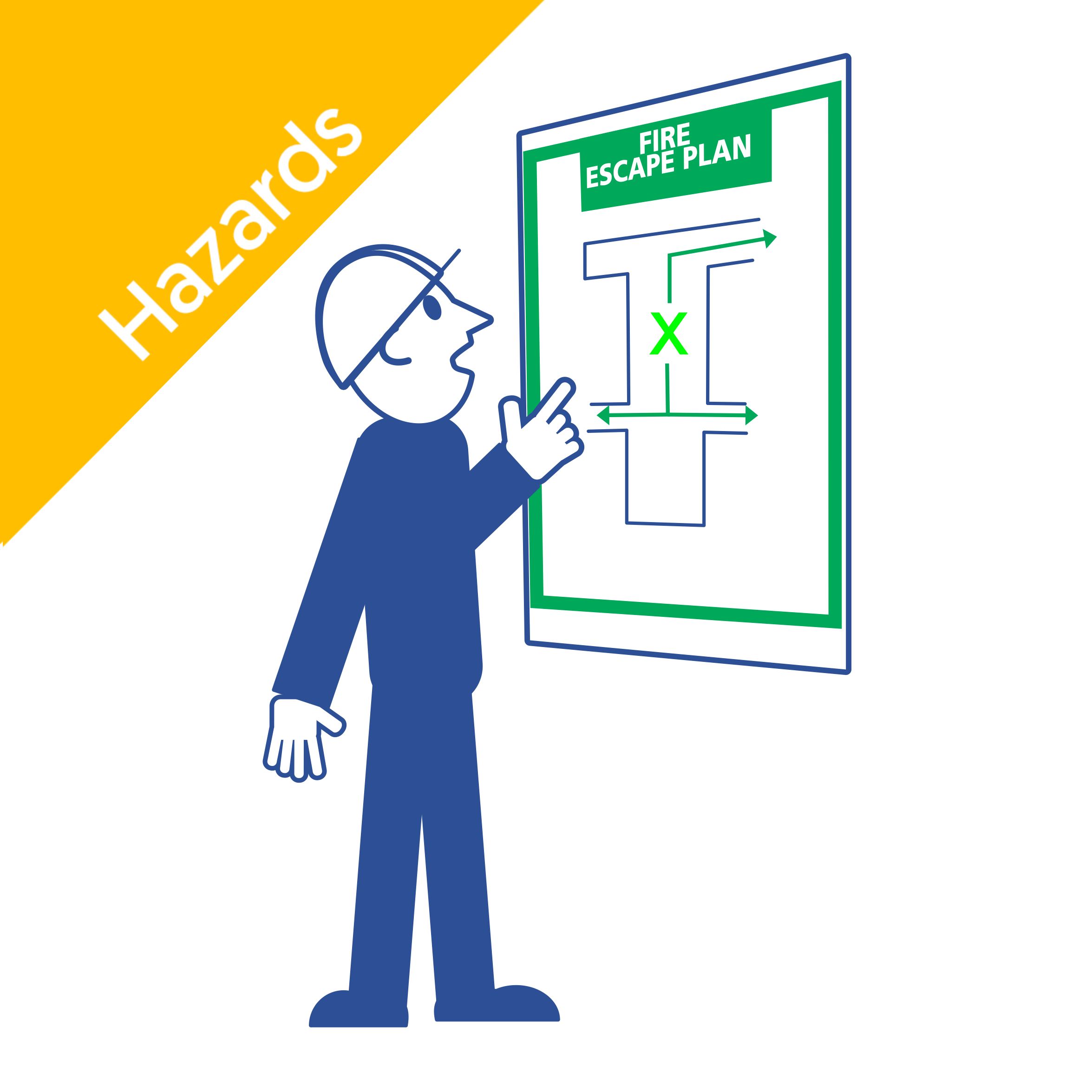
Every workplace should have a fire evacuation plan that clearly explains:
How to raise the alarm
Evacuation routes and exits
An accessible meeting place
Responsibilities during evacuation
Procedures for vulnerable persons
This may include Personal Emergency Evacuation Plans (PEEPs) where required. Where individuals may need assistance during evacuation, our guide explains what a Personal Emergency Evacuation Plan (PEEP) is and when one is required.
Fire Marshal & Fire Warden Responsibilities
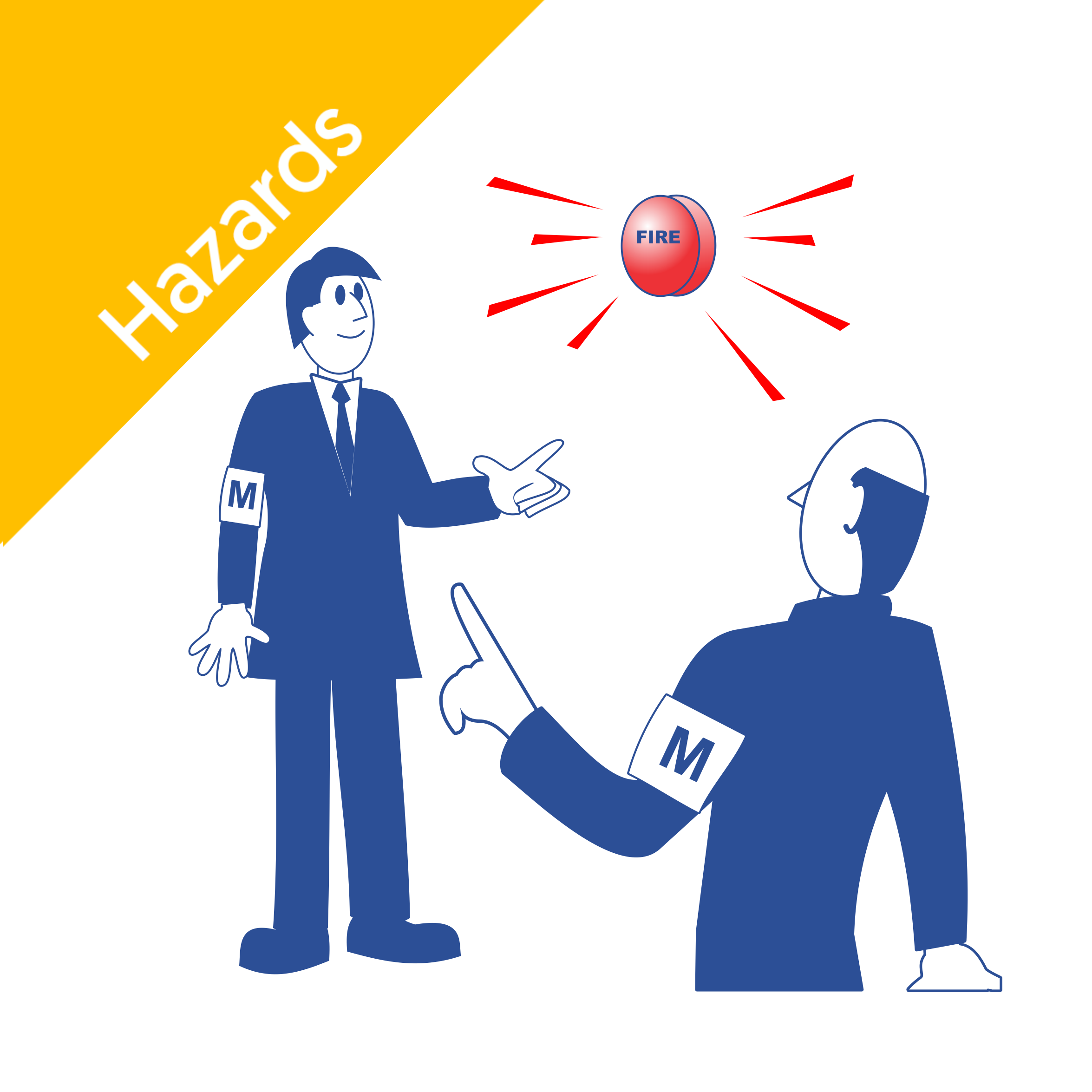
Fire marshals and fire wardens play a critical role in fire safety.
Their duties often include:
For a detailed breakdown of day-to-day duties, read our guide on the responsibilities of a fire marshal in the workplace. If you’re deciding how many trained staff you need, our article explains what a fire marshal is and how many to appoint.
Fire Marshal Training & Fire Warden Training
To carry out their role effectively, appointed staff should complete fire marshal training, sometimes referred to as fire warden training.
Training typically covers:
Fire prevention
Fire extinguisher use
Evacuation procedures
Legal responsibilities
A recognised fire marshal training course ensures competence and confidence in emergency situations.
What Should You Look for in a Certified Fire Marshal Training Course?
A certified fire marshal training course should give learners the knowledge and confidence to support fire safety in the workplace.
Look for training that aligns with UK fire safety legislation, clearly explains fire marshal responsibilities, and covers fire hazards, prevention measures, evacuation procedures, and the safe use of fire extinguishers. The course should provide a recognised fire marshal training certificate on completion and be suitable for the specific risks within your workplace.
Flexible delivery options, such as online fire marshal training, and access to refresher training are also important to help keep fire safety knowledge up to date.
If you’re unsure who needs training or what it involves, our Fire Safety Training FAQ answers the most common questions from employers and workers.
Fire Safety Training & Certification
Fire safety training is essential for all employees.
Options include:
Fire safety awareness training
Fire safety training online
Role-specific training for marshals and wardens
Successful completion provides a fire safety certificate, demonstrating compliance and competence.
Conclusion
Fire safety is an ongoing responsibility that requires careful planning, effective training, regular maintenance, and continual review. By understanding how fires start and spread, actively managing fire risks, maintaining suitable fire protection equipment, and ensuring staff receive appropriate fire safety training, organisations can protect lives, meet their legal obligations, and create a safer, more resilient working environment.