Dust Health Issues

Can You Get Sick from Dust Inhalation?

Key Points

  • Breathing in dust — including fine particles like silica dust — can cause anything from a runny nose to chronic lung diseases such as COPD, lung cancer, or silicosis.

  • The health effects depend on the type and amount of dust, your medical history, and the length of time you’re exposed.

  • With the right controls, PPE, and early recognition of symptoms, most dust-related health risks can be prevented.

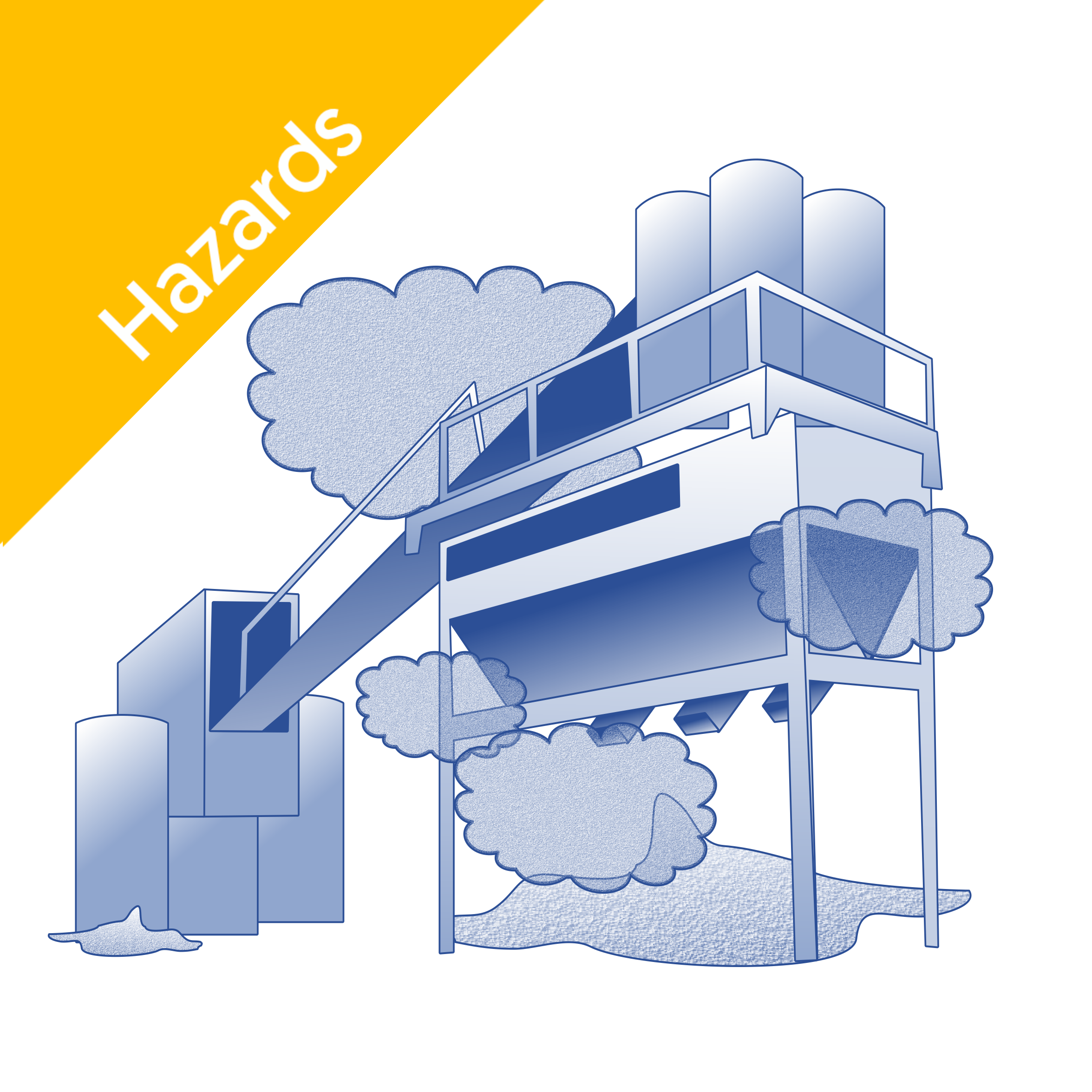
Dust exposure is a serious workplace hazard. Inhaling airborne particles, including fine matter like silica, can cause anything from mild irritation to life-threatening lung disease. The health effects depend on the type and amount of dust, the length of time you’re exposed, and your individual medical history. For a full overview of workplace dust risks, see our main Dust topic page.

Can You Get Sick from Dust Inhalation?

Yes. Breathing in harmful types of dust can overwhelm the body’s natural defences. Your immune system normally traps and clears particles, but high levels of dust can penetrate deep into the respiratory tract, reaching the delicate air sacs and damaging lung tissue.

Exposure can reduce lung function and increase the risk of exposure to serious diseases. For general principles of protection in the workplace, see this guide from the Health and Safety Executive.

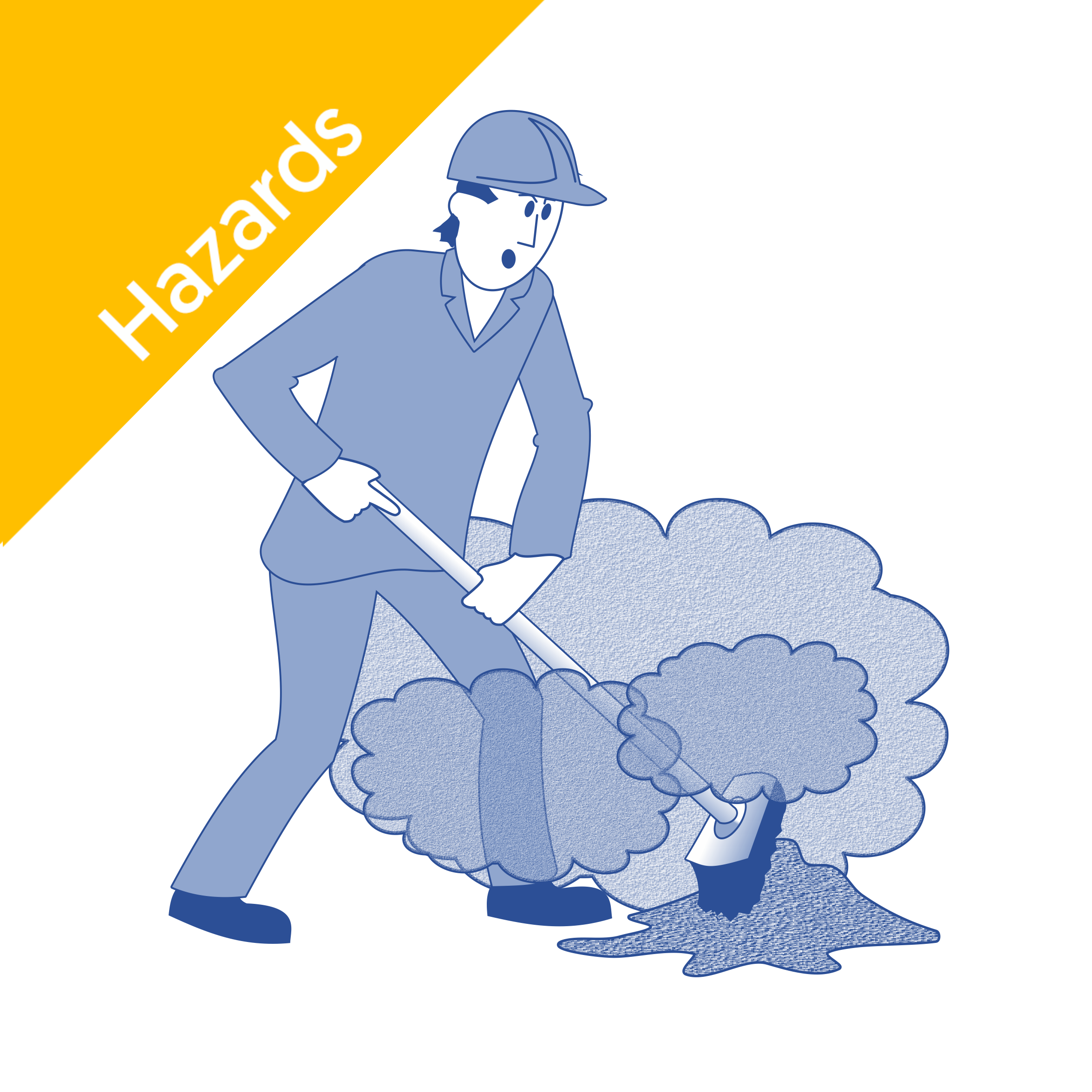
Worker dealing with symptoms of dust inhalation

What Are the Immediate Symptoms of Dust Exposure?

Common short-term effects of particulate matter include:

  • Coughing or wheezing

  • Runny nose or nasal congestion

  • Allergic reactions such as allergic rhinitis, dust mite allergy, or irritation from pet dander and house dust (which may contain mites)

  • Sore throat or dry mouth

  • Eye redness and irritation

  • Shortness of breath during activity

These symptoms usually improve after the removal of dust from the environment, but repeated exposure can cause lasting damage.


What Long-Term Health Issues Can Dust Cause?

1. Silicosis

What it is: A lung disease caused by breathing in silica, common in construction and manufacturing.
Symptoms: Shortness of breath, persistent cough, chest pain, fatigue.
Symptoms of silicosis may worsen over time, leading to progressive massive fibrosis and, in severe cases, the need for a lung transplant.
Prevention: Use suppression, wear a rated face mask, and follow COSHH guidance.

2. Chronic Obstructive Pulmonary Disease (COPD)

What it is: A general term for lung conditions that cause breathing difficulty, often linked to long-term risk of exposure to dust.
Symptoms: Wheezing, chronic cough, shortness of breath, frequent chest infections.
Prevention: Control dust at its source, improve ventilation, and provide respiratory PPE.

3. Asthma

What it is: Chronic inflammation of the respiratory tract, which can be triggered by fine dust or allergic reactions.
Symptoms: Wheezing, chest tightness, breathlessness, and coughing at night.
Prevention: Identify triggers such as house dust, pet dander, or dust mites; use air filtration and PPE.

4. Chronic Bronchitis

What it is: Long-term inflammation of the airways, often from breathing in particles over a long length of time.
Symptoms: Persistent cough with mucus, fatigue, reduced lung function.
Prevention: Dust suppression, regular cleaning, and health monitoring.

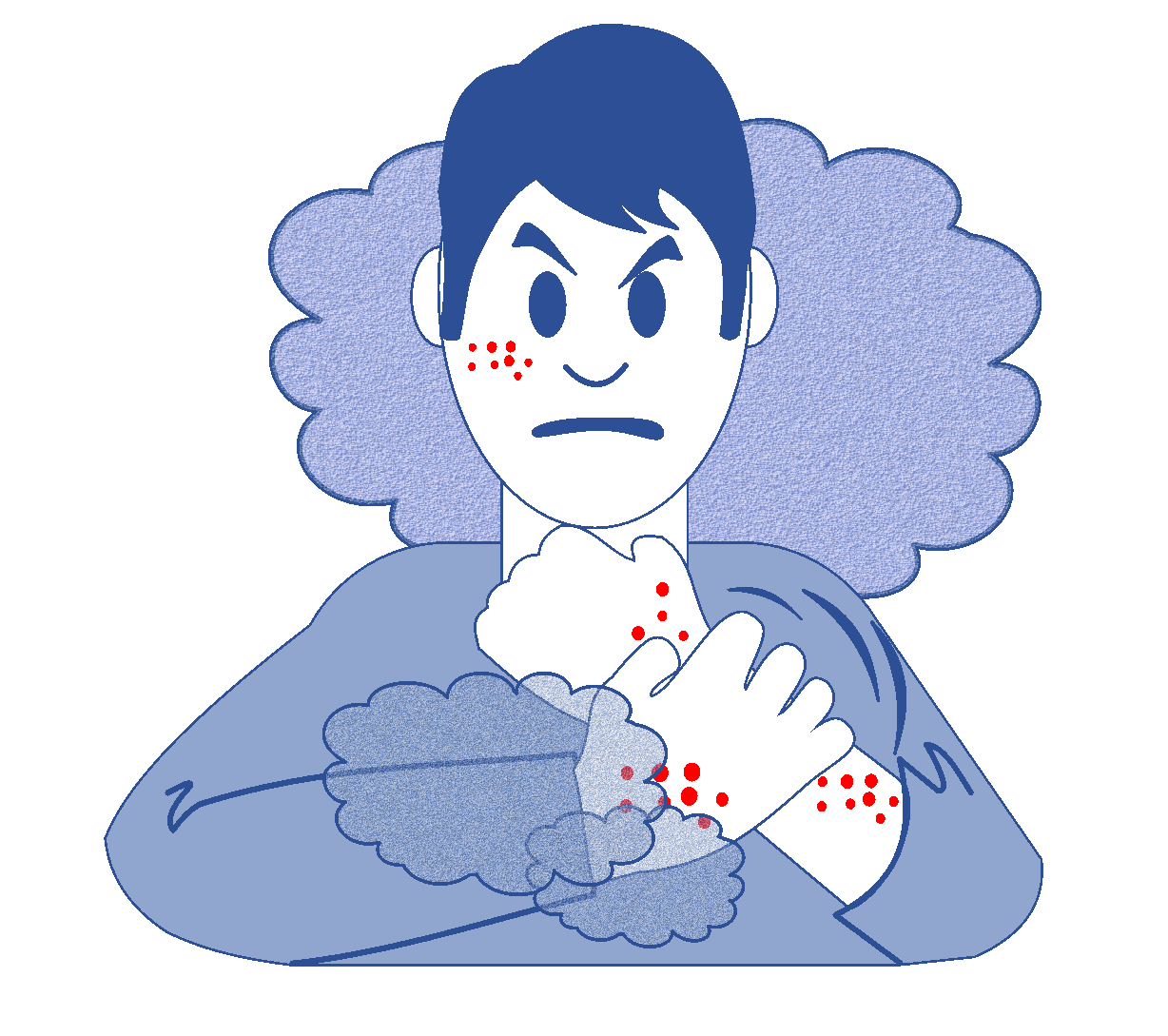
5. Skin Irritation

What it is: Direct contact with certain types of dust, such as fibreglass or cement, can cause dermatitis.
Symptoms: Redness, itching, blistering.
Prevention: Gloves, long sleeves, and barrier creams.

worker experiencing skin irritation from contact with workplace dust

6. Lung Cancer

What it is: Some dusts, including silica and asbestos, are known carcinogens.
Symptoms: Often no early signs, but may include persistent cough, chest pain, and weight loss.
Prevention: Eliminate or strictly control the risk of exposure to carcinogenic dusts.


What is Organic Dust Toxic Syndrome (ODTS), and How is it Different?

Definition: ODTS is an acute, flu-like illness caused by inhaling high levels of airborne organic material such as mouldy grain, hay, compost, or animal products.

Symptoms (4–12 hours after exposure):

  • Fever and chills

  • Muscle aches

  • Shortness of breath

  • Cough and chest tightness

  • Fatigue and headache

How it differs:

  • Triggered by toxins in organic dust, not infection

  • Usually short-term and does not cause scar tissue or permanent lung damage

  • Appears rapidly after heavy exposure, unlike chronic diseases such as chronic obstructive pulmonary disease or silicosis

  • Different from hypersensitivity pneumonitis, which is an allergic lung condition from repeated exposure

Prevention: Wear a face mask, minimise disturbance of hazardous matter, and use proper ventilation.


How to Prevent Dust-Related Health Problems

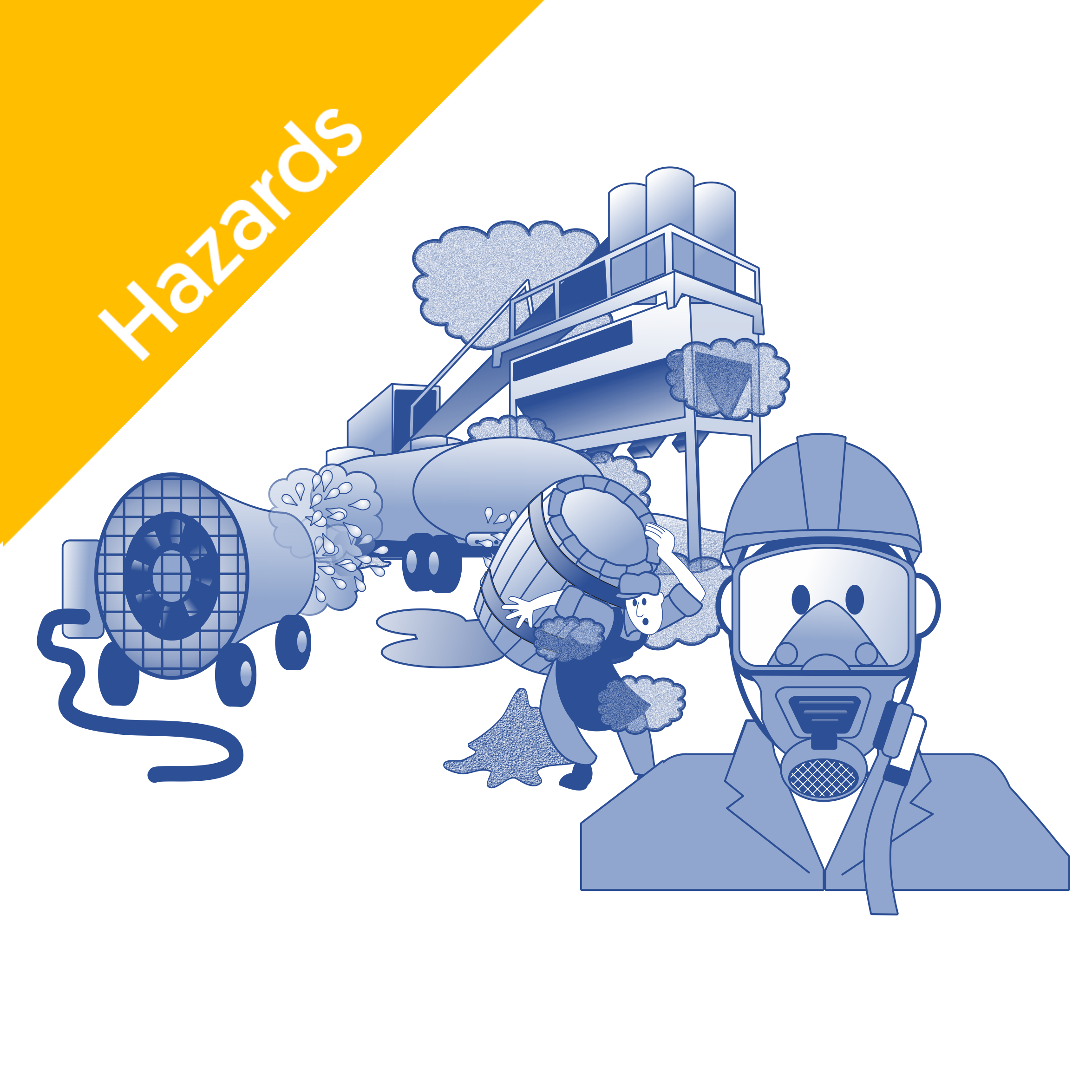
Workplace Controls

  • Use Local Exhaust Ventilation (LEV) to capture particulate matter at the source

  • Suppress airborne matter with water sprays or extraction systems

  • Keep work areas clean using wet methods or HEPA-filter vacuums

  • Store dusty materials in sealed containers

Personal Protective Equipment (PPE)

  • Wear the correct respirator for the type of particulate matter (e.g., FFP3 for silica)

  • Use gloves, coveralls, and eye protection when needed

  • Ensure PPE fits properly and is maintained regularly

Worker Training and Monitoring

  • Train staff on the effects of dust and safe work practices

  • Monitor air quality

  • Provide regular health checks for at-risk workers


When to Seek Medical Advice

Seek medical help immediately if you have:

  • Persistent cough, wheezing, or runny nose

  • Shortness of breath or chest pain

  • Fever, chills, or unexplained fatigue

  • Worsening allergic reactions

Early diagnosis, according to the American Lung Association, can prevent long-term health effects and protect your mental health from the anxiety of chronic illness.


Key Takeaways

  • Dust inhalation is a major cause of occupational disease, from allergic rhinitis to lung cancer.

  • The amount and type of dust and the length of time exposed all influence the health effects.

  • Conditions like ODTS are short-term and treatable; others, like silicosis and progressive massive fibrosis, cause permanent scar tissue in the lungs.

  • Control measures, PPE, and prompt removal of particulate matter from the environment protect lung function and overall worker health.

By controlling dust at the source, employers can reduce the risk of exposure, meet legal obligations, and protect both the respiratory tract and the immune system of their workforce.

Further Reading

Respirable Crystalline Silica (RCS) In-Depth Guide

Respirable Crystalline Silica (RCS) In-Depth Guide

Dust

Learn about respirable crystalline silica, its sources, and health impacts. Our in-depth guide provides essential information on silica dust control and safety.

Dust FAQs

Dust FAQs

Dust

Discover essential dust FAQs to keep your workplace safe. Learn about dust at work and how to manage its impact on health and productivity.

Controlling dust in the workplace

Controlling dust in the workplace

Dust

Understand dust hazards and control measures in the workplace. Learn how to keep your work environment safe and compliant.

Respirable Crystalline Silica (RCS) In-Depth Guide

Respirable Crystalline Silica (RCS) In-Depth Guide

Dust

Learn about respirable crystalline silica, its sources, and health impacts. Our in-depth guide provides essential information on silica dust control and safety.

Dust FAQs

Dust FAQs

Dust

Discover essential dust FAQs to keep your workplace safe. Learn about dust at work and how to manage its impact on health and productivity.

Controlling dust in the workplace

Controlling dust in the workplace

Dust

Understand dust hazards and control measures in the workplace. Learn how to keep your work environment safe and compliant.

Bethany Wesson

Bethany Wesson

Bethany is a freelance content writer and has produced articles for the Commodious Knowledge Bank since 2023. She has written about various health and safety topics, from asbestos to wellness in the workplace.

  • Dust
  • Hazards
  • COSHH
  • Health and Safety