Dust

Welcome to the Commodious Knowledge Bank guide on Dust in the workplace.

Understanding Respirable Dust: A Guide for the Workplace

Key Highlights

  • Respirable dust contains microscopic particles that can reach deep into your lungs and cause lasting harm.

  • Common industries at risk include construction, woodworking, textiles, and manufacturing.

  • Health effects range from short-term irritation to life-threatening diseases like silicosis and COPD.

  • Dust risk assessments are required under COSHH to identify hazards and put effective controls in place.

  • Control measures should follow the hierarchy of control, from elimination to PPE.

  • Respiratory protective equipment (RPE) is a vital last line of defence.

  • Explore our supporting articles for in-depth guidance on hazards, types of dust, risk assessment, and industry-specific safety.

Scroll to the bottom of this page for our complete collection of in-depth respirable dust guides.

Introduction

Dust may seem like a routine part of work, but in many industries it’s one of the biggest threats to long-term health. Whether you’re cutting concrete, sanding wood, or processing textiles, fine airborne particles can build up quickly and become dangerous. Often, without you realising it.

This guide explains what respirable dust is, why it’s harmful, and how employers and workers can manage exposure safely under UK health and safety laws.

See also: Dust Hazards and Health Risks for a deeper look at how dust affects the body.

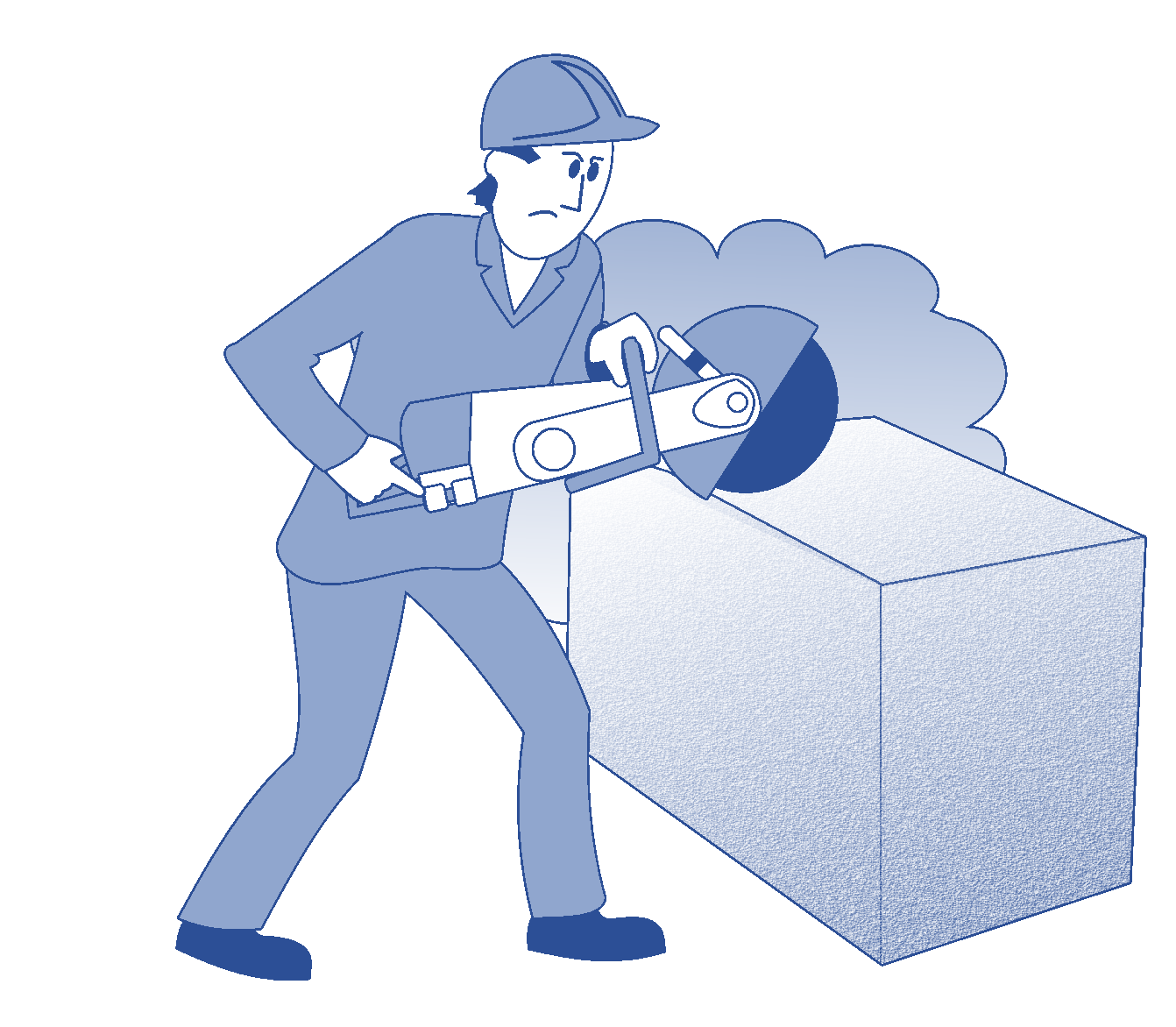
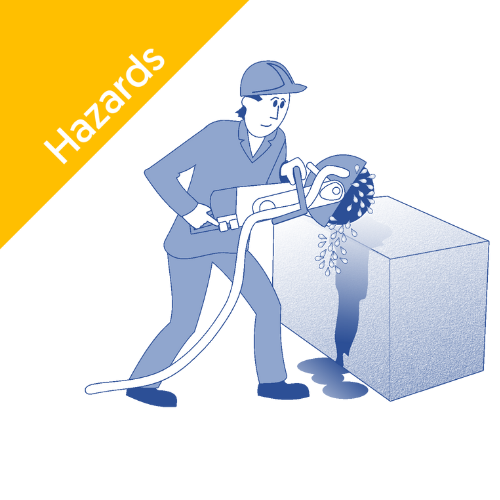
worker creating respirable dust whilst grinding

What Is Occupational Dust?

Occupational dust refers to any airborne particles created during work activities. Such activities include grinding, drilling, sanding, mixing powders and handling dry materials. These particles can contain minerals, metals, fibres, or organic matter, depending on the process and material.

When dust becomes airborne and small enough to stay suspended, it can be easily inhaled. Under the Control of Substances Hazardous to Health (COSHH) Regulations, dust at certain concentrations is classified as a hazardous substance. Employers must therefore assess, control, and monitor exposure to protect their workforce.


What Makes Dust Respirable and Why It’s Dangerous

Respirable dust particles are less than 5 micrometres in size; invisible to the naked eye, and small enough to penetrate deep into the lungs. Because they bypass your body’s natural defences, they can settle in lung tissue, where they trigger inflammation and scarring.

The danger lies in long-term, repeated exposure. Workers may not notice symptoms until permanent damage has already occurred.

Key risks include:

  • Lung scarring (fibrosis) and reduced breathing capacity

  • Silicosis and chronic obstructive pulmonary disease (COPD)

  • Occupational asthma caused by sensitising dusts like wood or textiles

  • Increased risk of lung cancer with prolonged exposure

For more details on this, visit: Respirable Crystalline Silica (RCS) In-Depth Guide


Common Types of Workplace Dust

Different industries create different kinds of dust — some nuisance, others highly toxic. The most common and hazardous include silica, wood, and textile fibres, but many other forms exist.

Dust Type

Common Sources

Key Health Risks

Respirable Crystalline Silica (RCS)

Cutting, grinding, or drilling concrete, brick, or stone

Silicosis, lung cancer, COPD

Wood Dust

Sawing, sanding, or machining hardwoods and softwoods

Occupational asthma, nasal cancer, irritation

Textile & Paper Dust

Processing cotton, cellulose, or paper fibres

Respiratory sensitisation, reduced lung function

Cement & Gypsum Dust

Mixing or finishing plaster, mortar, or cement

Irritation, dermatitis, and respiratory problems

Coal Dust

Mining and fuel handling

Pneumoconiosis (“black lung”), COPD

Our article explains more about Types of Dust in the Workplace.


Health Risks and Early Warning Signs

Even short-term exposure can irritate the eyes, nose, and throat. Persistent symptoms like coughing, wheezing, or chest tightness may be early signs of dust-related illness.

Over months or years, repeated exposure leads to chronic diseases such as:

  • Silicosis – scarring of lung tissue, causing breathlessness and fatigue.

  • COPD – long-term damage that restricts airflow.

  • Lung cancer – especially linked to silica exposure.

  • Asthma and allergic reactions – often caused by wood or textile dust.

For help identifying risks and symptoms, visit our Dust Hazards and Health Risks guide.

Managing Dust: Risk Assessment and Control

Under COSHH, employers must conduct a dust risk assessment to identify where exposure might occur, who is at risk, and how to control it.

This involves:

  1. Identifying tasks that create dust (cutting, sanding, mixing, etc.)

  2. Measuring or estimating dust levels in the air

  3. Comparing results with workplace exposure limits (WELs)

  4. Implementing appropriate control measures

  5. Reviewing and updating controls regularly

Explore how you can begin Controlling Dust in the Workplace in our article, with a free template download for guidance on how to conduct a dust risk assessment.

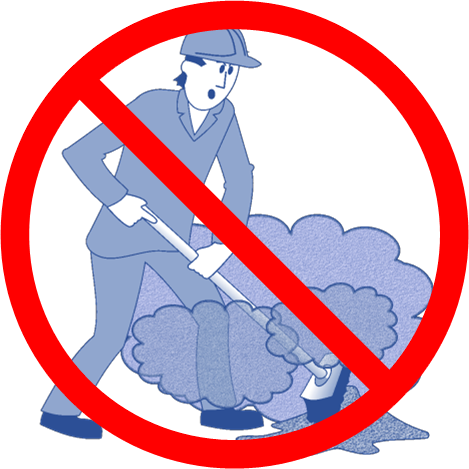
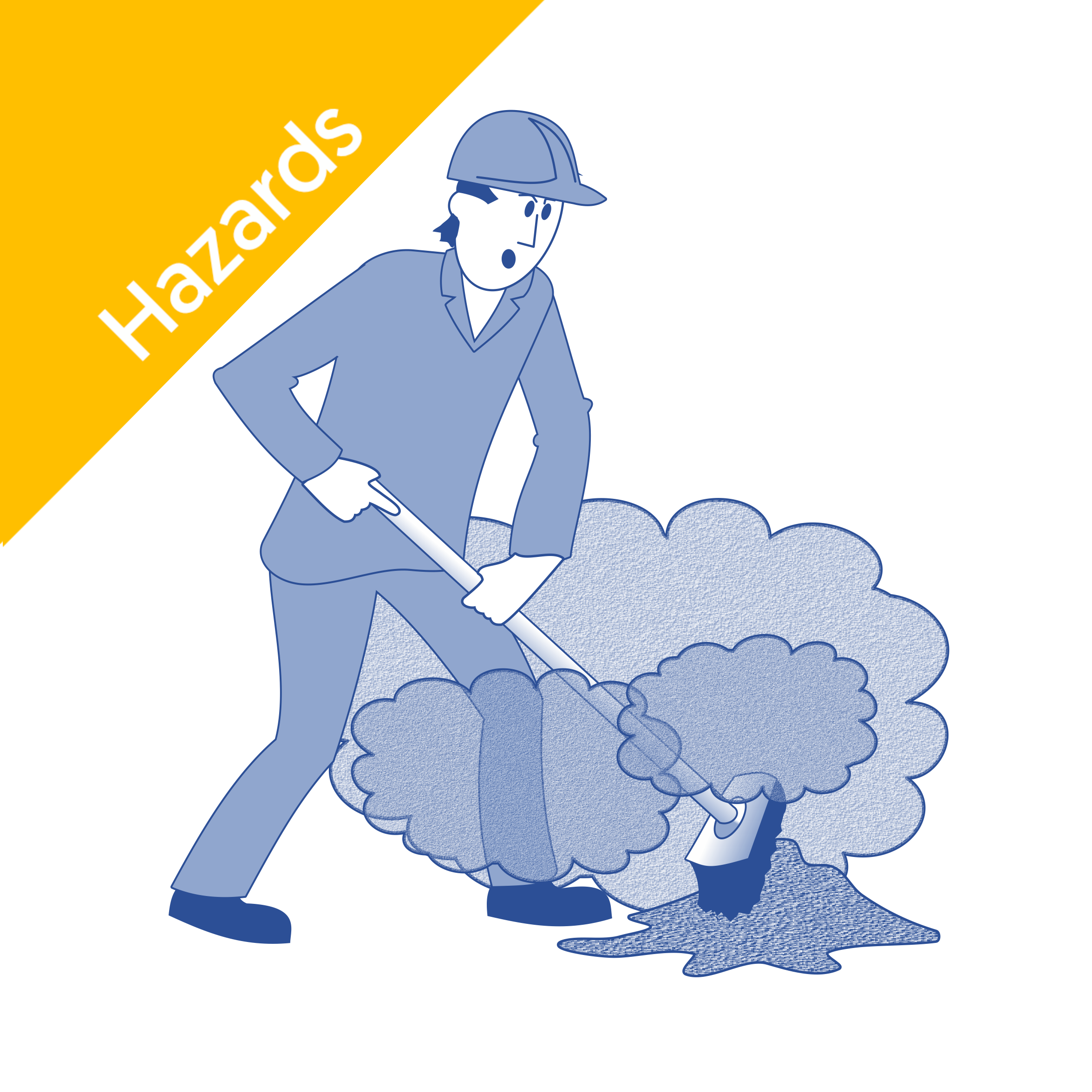
worker trying to eliminate occupational dust

Dust Control Measures and the Hierarchy of Controls

Once you’ve identified the hazard, the goal is to eliminate or reduce dust exposure as far as reasonably practicable. The hierarchy of control provides a clear framework:

  1. Elimination – Use non-dusty materials or pre-mixed compounds.

  2. Substitution – Replace hazardous materials with safer alternatives.

  3. Engineering Controls – Use local exhaust ventilation (LEV), dust extraction systems, or water suppression.

  4. Administrative Controls – Limit the length of time workers are exposed and rotate tasks.

  5. Personal Protective Equipment (PPE) – Provide suitable RPE and ensure it’s correctly face-fit tested.


Industry-Specific Dust Hazards

Dust risks vary across industries, so control methods must be tailored to specific work environments.


Legal Duties and Regulatory Requirements

In the UK, COSHH Regulations (2002) govern exposure to hazardous dust. Employers must:

  • Assess and control exposure.

  • Provide information, instruction, and training.

  • Maintain and test control equipment (e.g., LEV systems).

  • Carry out health surveillance where required.

General dust is considered hazardous when concentrations exceed 10 mg/m³ (inhalable) or 4 mg/m³ (respirable) averaged over 8 hours. Stricter Workplace Exposure Limits (WELs) apply to silica, wood, and other specific dusts.

Failure to comply can lead to enforcement action by the Health and Safety Executive (HSE), including improvement or prohibition notices.

For regulatory context, see our FAQ: Dust Safety and the Law – Your Questions Answered.


Personal Protective Equipment (PPE) and RPE

Where elimination or engineering controls can’t fully remove the hazard, PPE becomes vital. Employers must supply:

  • Respiratory Protective Equipment (RPE): Fit-tested masks or powered respirators suited to the dust type.

  • Protective Clothing: To prevent skin irritation and reduce contamination spread.

RPE must be properly maintained and used only as part of a wider dust control strategy; never as the sole solution.


Conclusion

Understanding respirable dust and how it affects workers is essential for maintaining a safe and healthy workplace. Our Dust FAQ article contains more information to help you stay safe in the workplace. By recognising hazards, conducting risk assessments, and applying effective control measures, employers can meet their legal duties and protect their teams.

Explore our related guides for detailed, industry-specific advice:

Dust Articles

Managing the Risks of Woodworking Dust

Managing the Risks of Woodworking Dust

Dust

Protect your health while woodworking. Learn how to effectively manage woodworking dust and create a safer workspace with our essential tips.

Protecting Workers from Textile Dust Hazards

Protecting Workers from Textile Dust Hazards

Dust

Learn about textile dust hazards and their impact on health. Our blog explores byssinosis and other risks associated with textile exposure.

Dust FAQs

Dust FAQs

Dust

Discover essential dust FAQs to keep your workplace safe. Learn about dust at work and how to manage its impact on health and productivity.

Dust Health Issues

Dust Health Issues

Dust

Wondering if you can get sick from dust inhalation? Our safety guide explores the risks and offers essential advice for staying safe in dusty environments.

Understanding the Types of Dust in the Workplace

Understanding the Types of Dust in the Workplace

Dust

Learn about the various types of dust in the workplace and their potential effects on health. Stay informed with our detailed guide on workplace safety.

Dust from Construction Sites

Dust from Construction Sites

Dust

Protect your health by learning how to safeguard yourself from dust from construction sites. Occupational health and safety in construction includes understanding dust risks.