Welcome to the Commodious Asbestos Knowledge Bank: your definitive UK resource for understanding asbestos, its risks, and your legal duties for managing it safely and compliantly.
Asbestos remains the leading cause of work-related deaths in Great Britain, responsible for around 5,000 fatalities every year. Despite being banned in 1999, it still exists in millions of buildings across the UK, especially those constructed before 2000. For employers, tradespeople, and duty holders managing or maintaining non-domestic premises, or anyone working on the fabric of a building, understanding asbestos risk is not optional; it’s a legal requirement.
This comprehensive guide explains everything you need to know about asbestos in the UK: from identification and risk assessment, to regulations, management plans, and accredited asbestos awareness training.
Whether you’re a homeowner, building manager, or health and safety professional, this article will help you:
Identify and manage Asbestos Containing Materials (ACMs) safely
Understand your responsibilities under the Control of Asbestos Regulations 2012
Learn how to create an effective asbestos management plan
Choose the right asbestos awareness training for you or your workforce
For detailed, step-by-step guidance on each area, follow the links throughout this page to our in-depth articles on regulations, management, and training. Or, scroll to the bottom of this page for our complete collection of in-depth asbestos guides.
Asbestos remains a widespread danger in the UK, primarily because it is impossible to detect visually or by smell. The key to compliance and safety lies in understanding what Asbestos Containing Materials (ACMs) are, where they hide, and how to assess the risks they pose.
Asbestos is a term for naturally occurring fibrous minerals used extensively in UK construction before the year 2000. Its danger is realised only when the material is damaged or disturbed, causing microscopic fibres to become airborne and inhaled. This exposure is linked to fatal diseases like mesothelioma and lung cancer.
Since asbestos is not dangerous when intact, the focus is on identifying potential ACMs and ensuring they are undisturbed. ACMs can be found in hundreds of building products, including insulation, vinyl floor tiles, textured decorative coatings (like Artex), and various cement products.
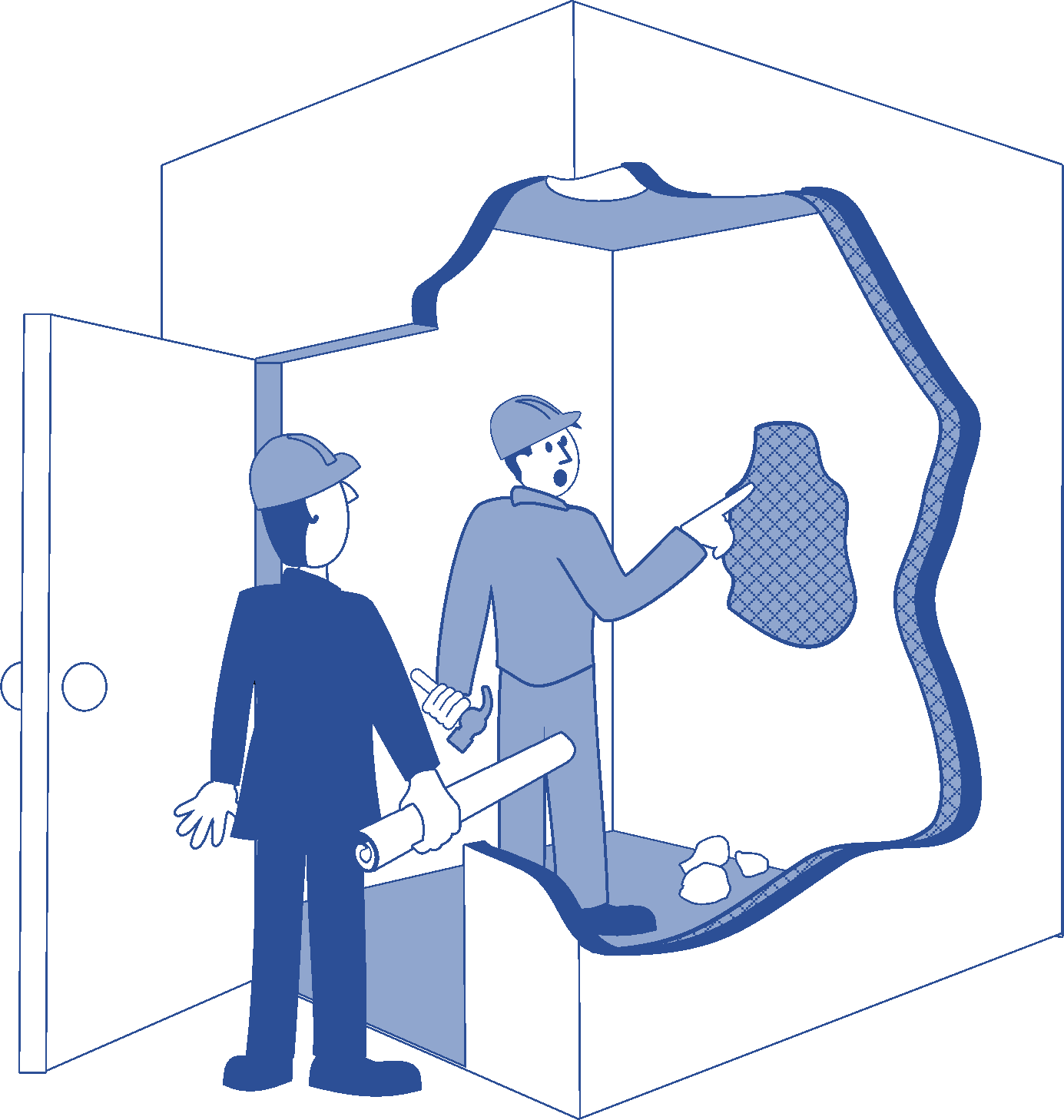
For homeowners and those working on domestic properties, knowing How to Check for Asbestos and What to Do if You Find It is critical. If a building was constructed or refurbished before 2000, always assume asbestos is present until proven otherwise. If you suspect or discover an ACM, the immediate action is to stop work, avoid disturbing the material, and contact a licensed contractor for professional advice.
For workers and employers, robust safety procedures are mandatory. The Control of Asbestos Regulations 2012 requires a formal Asbestos Risk Assessments to be conducted by a competent, trained individual. This assessment follows five steps: identifying the health risks and those at risk, establishing safety measures to reduce exposure, recording the findings, and ensuring regular review.
The trades industry faces the highest risk of accidental exposure. The HSE Asbestos Guide for Tradespeople is an essential resource, advising workers to:
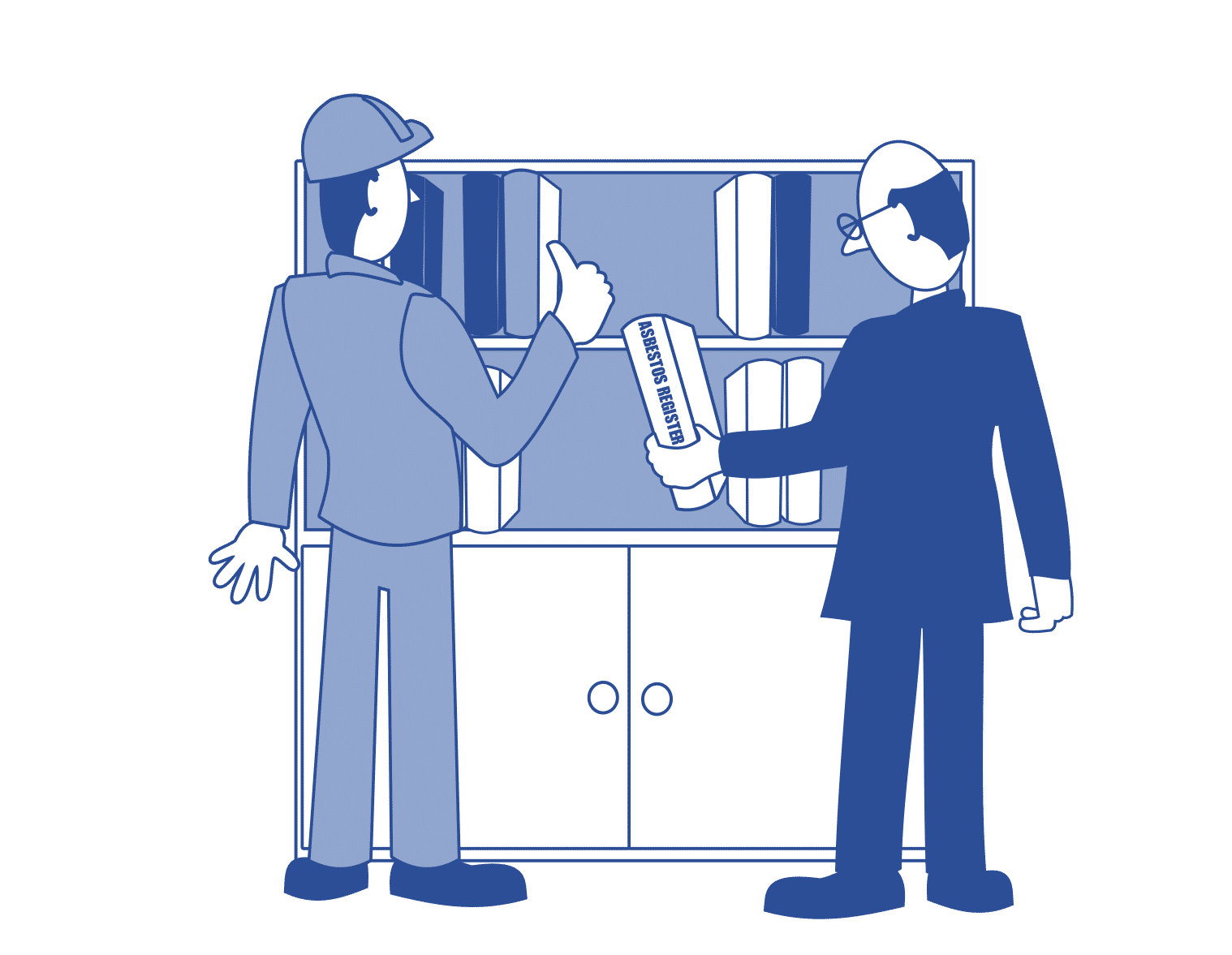
Check for Asbestos: Always check for an asbestos register before starting work.
Consult the Duty Holder: Discuss the risk assessment and safety measures with the employer or building owner.
Know the Material: Understand that high-risk materials like pipe lagging and Asbestos Insulating Board (AIB) must only be handled by licensed contractors.
For the specialists involved in post-removal checks and testing, strict technical procedures must be followed. The HSE Guidance for Asbestos: The Analysts' Guide Revised (HSG248) outlines the authoritative methodologies, including the detailed 4-stage clearance procedure that ensures a work area is safe for re-occupation after asbestos removal. It also provides specific guidance on air monitoring and the analysis of asbestos found in soil.
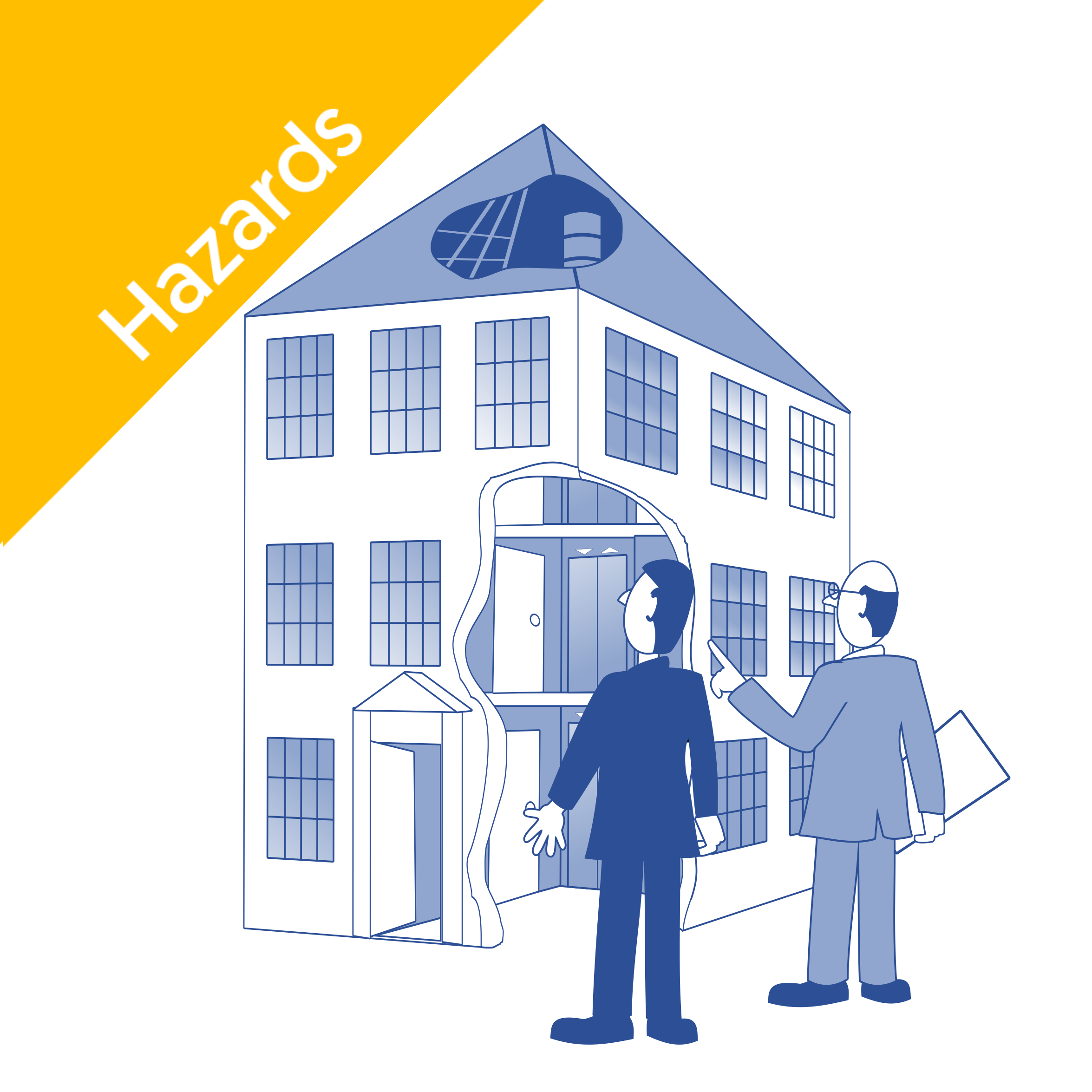
The comprehensive management of asbestos is a mandatory legal obligation under the Control of Asbestos Regulations (CAR) 2012. This relevant legislation places a stringent requirement on individuals responsible for the maintenance and repair of non-domestic premises, known as the Duty Holder. This duty requires the Duty Holder to proactively locate ACMs, assess the risk they pose, and then implement an asbestos management plan. manage those risks effectively. Understanding and fulfilling these requirements is fundamental to compliance and safety, and forms the basis of Managing Asbestos: A Duty Holder's Responsibilities.
Effective management requires a deep understanding of the regulatory specifics that underpin the Duty to Manage. Key among these is Asbestos Regulation 10, which specifically addresses the necessity of providing adequate information, instruction, and training. This regulation ensures that anyone who may disturb asbestos during their work, from surveyors to construction workers, is fully aware of the increased risks and the proper procedures. Furthermore, common questions regarding risk assessment, the use of control measures, surveying, the requirements for the asbestos register, and general compliance are addressed in our Asbestos in the Workplace: 10 FAQs Explained, offering clear guidance on the practical challenges faced by duty holders.
Given the persistent threat of asbestos exposure, the Health and Safety Executive (HSE) periodically reinforces these legal requirements through targeted communication initiatives. The recent launch of the Duty to Manage Asbestos Campaign is a prime example of this commitment. This campaign aims to raise awareness, particularly among building owners and management agents, ensuring that all parties understand their ongoing responsibility to identify and maintain the asbestos register, thereby safeguarding long-term worker from ill health.
Training is the vital safety barrier between a worker and fatal asbestos exposure. The Control of Asbestos Regulations 2012 makes it a legal requirement for anyone who supervises or carries out work that may disturb ACMs to receive appropriate training.
Asbestos training is not one-size-fits-all. It is tiered to the level of risk and interaction an individual has with ACMs. It is crucial for employers and self-employed individuals to understand their training needs and the Types of Asbestos Training available:
Asbestos Awareness Training Course: For those who might encounter asbestos but will not work on it (e.g., general tradespeople, surveyors). This is sometimes referred to as a Category A asbestos awareness course.
Non-Licensed Training: For work on lower-risk materials where fibres are unlikely to be released (e.g., removing intact ACMs where they are unlikely to be broken up).
Licensed Asbestos Work Training: For high-risk tasks such as removing thermal insulation or pipe lagging, which must be carried out by a specialist contractor.
Adequate training and maintaining a valid certificate is proof of competence. If you need clarity on the process, we provide detailed guidance on How to Get Asbestos Certificate, outlining the steps required to gain accreditation.
A common point of confusion is the difference between industry accreditation bodies. While both UKATA and IATP are respected, understanding the distinction between them is important. Commodious provides IATP recognised training, with IATP Recognition: Ensuring Compliance and Confidence in Asbestos Training serving as a guarantee that our courses meet the highest standards of safety and compliance.
We compiled answers to the most frequent queries to simplify the process of achieving compliance. Our resources directly address common concerns regarding the core elements of training, including our comprehensive guide: 10 FAQs About Asbestos Awareness Training, Certification, Tests, and Cost. For a broader overview of awareness training content, what to expect from a training provider, costs, and refresher training requirements, please consult Asbestos Awareness Training: Answers to Your FAQs.
When Asbestos Containing Materials (ACMs) are damaged, deteriorating, or planned for demolition or major refurbishment, the decision shifts from managing the material to safe, controlled removal. This is a highly regulated process that requires specialised competence to prevent a potentially fatal fibre release. The comprehensive, step-by-step cycle required to ensure safety and compliance, from initial detection and testing through to final, lawful waste management, is outlined in From Detection to Disposal: How to Identify, Test and Remove Asbestos.
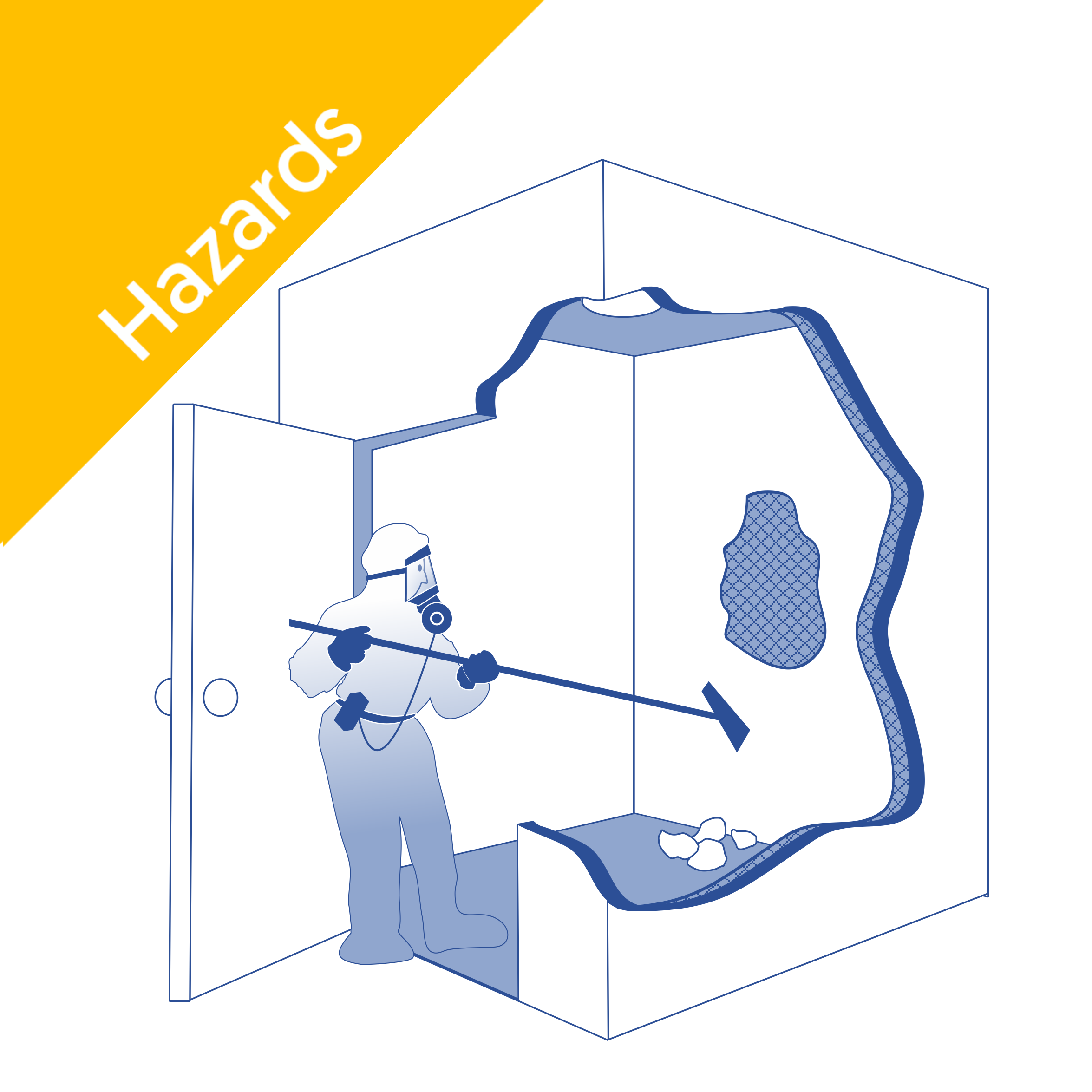
It must be stated clearly: asbestos removal is not a DIY task. Any uncontrolled attempt to handle ACMs releases dangerous, microscopic fibres, putting homeowners, their families, and the wider community at serious risk. Our guidance strongly advises against uncertified removal, detailing why in Can You Remove Asbestos Yourself? The Homeowners Guide to Asbestos Removal. You must always use a licensed or certified contractor who follows strict controlled procedures, including setting up containment zones, using personal protective equipment (PPE), and conducting proper air monitoring.
Beyond case-by-case removals, the UK’s long-term strategy involves widespread abatement. A recent report by the Work and Pensions Committee examined the scale of the issue in the commercial and public sector, advocating for a clear, long-term national strategy for large-scale abatement. This review proposes a definitive 40-year timeframe for the removal of asbestos from all non-domestic buildings, prioritising high-risk settings like schools. You can review the recommendations and implications in detail here: Key Findings Revealed: Non-Domestic Asbestos Removal Report.
Regardless of legal obligations and specific training requirements, the first line of defence against fatal exposure is basic awareness and accessible guidance. It is impossible to comply with the 'Duty to Manage' if you do not have a fundamental, working knowledge of the hazard itself.
For every professional, Duty Holder, and tradesperson operating within the UK’s built environment, foundational knowledge is non-negotiable. This requires a clear understanding of what asbestos is, where it is likely to be encountered, and the risks it poses. We provide this essential background in our detailed guide: What is Asbestos? A Comprehensive Guide for UK Workers, explaining the various asbestos types, common locations in buildings, and health effects.
In addition to self-education, regulatory bodies continually reinforce awareness initiatives to keep this invisible hazard a priority. The Health and Safety Executive (HSE) periodically runs targeted campaigns to address specific risks and sectors. Their initiative, Announcing 'Asbestos & You', is a recent, coordinated effort to remind duty holders and tradespeople of their ongoing responsibilities and the simple, lifesaving actions required to work safely around Asbestos Containing Materials (ACMs).
Asbestos remains a significant, silent killer in the UK, but it does not have to be an unmanageable threat. The core message throughout this guide is clear: knowledge and proactive compliance are your strongest defences.
By understanding the nature of the hazard, fulfilling the strict requirements of the Duty to Manage under the Control of Asbestos Regulations (CAR) 2012, and ensuring all personnel receive the correct level of training and certification, you establish a robust safety protocol. Whether your responsibility lies in identifying potential ACMs, coordinating professional removal, or maintaining the vital asbestos register, effective management is an ongoing, legal obligation.
Ensure a safe and compliant working environment for you and your team. Start today with our Asbestos Awareness Certificate

Discover the dos-and-don’ts of asbestos removal. Get expert guidance on proper asbestos removal procedures and why DIY removal is unsafe.

Learn how to conduct an asbestos risk assessment in 5 steps. Identify health risks, who may be at risk, establish safety measures, record findings, and review regularly. Ensure workplace safety with our expert guidance.

UKATA or IATP? Learn the difference in asbestos awareness training. Choose accredited courses for safety and success. Find out more now.

Learn the truth about asbestos with 10 workplace FAQs explained. Find out how to identify asbestos and protect yourself. Understand the risks and dangers of asbestos in this comprehensive article.

Introducing the new Asbestos - Your Duty campaign on our blog. Stay informed on your duty to manage asbestos in buildings predating the year 2000.