What Is Food Safety? Understanding the Essentials
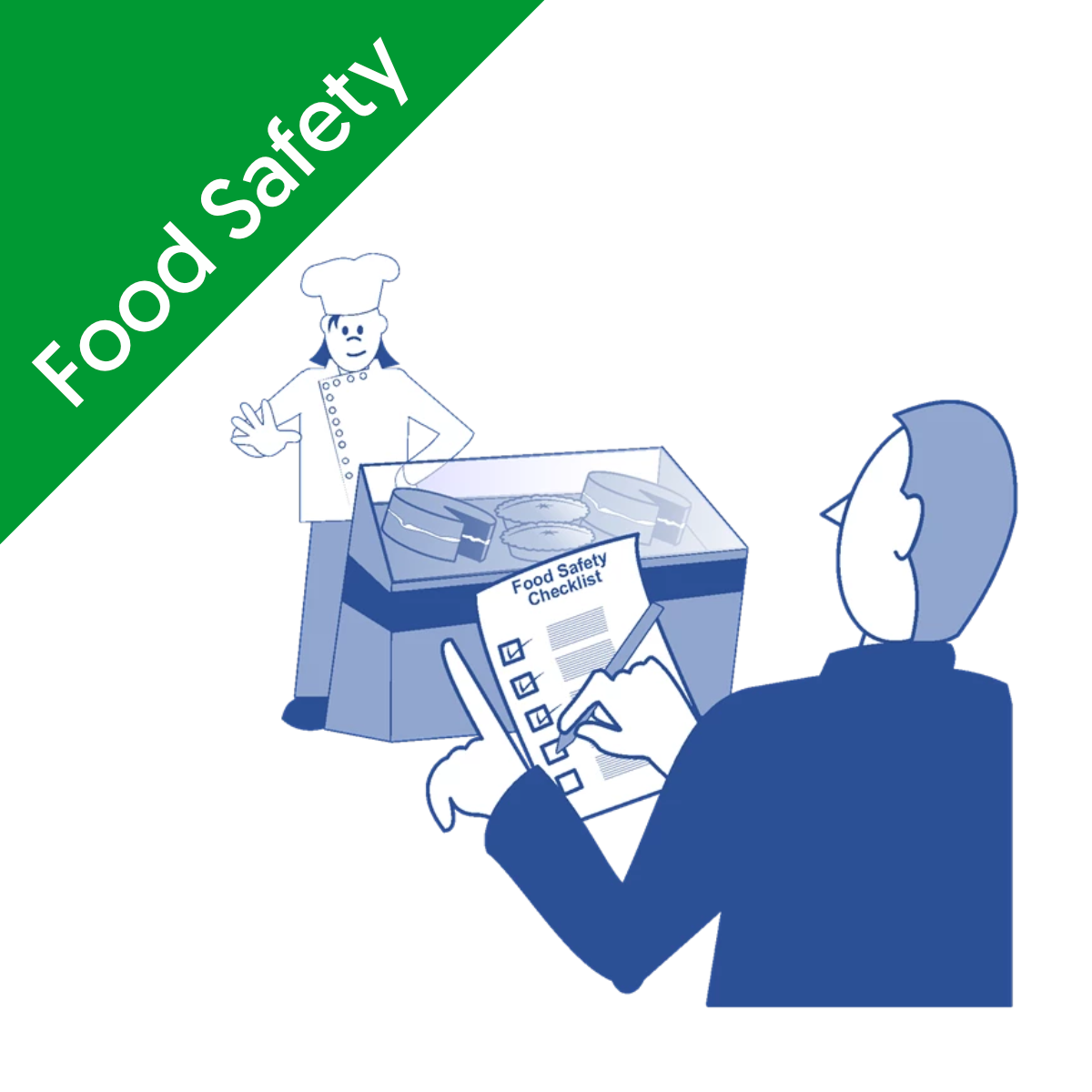
Food safety refers to the systems, rules, and daily practices used to ensure food is safe to eat. For food businesses, this means controlling hazards at every stage.
Food safety is about preventing foodborne illness by controlling hazards. For a clear overview of why food safety matters worldwide, the WHO has an accessible fact sheet.
If you’re new to food hygiene, our introductory guide to Food Hygiene | Training | Regulations is an excellent starting point.
The 4 Cs of Food Safety
The 4 Cs are the core principles recognised by the Food Standards Agency (FSA):
Cleaning – Effective cleaning and disinfection prevent harmful bacteria from spreading.
Cooking – Food must be cooked to safe temperatures to destroy bacteria.
Chilling – Correct refrigeration slows bacterial growth. For more details, see our article on Food storage temperatures.
Cross-contamination prevention – The number one cause of food poisoning. Our in-depth guide on Which colour chopping board? explains how to separate raw and ready-to-eat food effectively.
Understanding these basics helps you reduce risks, protect customers, and meet legal standards.
Common Food Safety Hazards Every Business Must Manage
Food hazards generally fall into four categories:
Biological, Chemical, Physical, and Allergenic.
Our full guide on Threats to Food Safety covers these in detail.
Common risks include:
To go deeper, your next step should be our full guide on Food Storage and Frozen Cooking.
UK Food Safety Laws and Who Enforces Them
Food businesses must comply with strict UK legislation. Our complete guide to Food Regulations covers each requirement, but here’s a quick overview:
Core Legislation
Who Enforces Food Law?
Food hygiene standards are enforced by:
Local authority Environmental Health Officers (EHOs)
The Food Standards Agency (FSA) (policy, guidance, enforcement support)
For more details, visit our article on Food Hygiene Ratings, which explains how inspections work, what EHOs look for, and how to improve your score.
Food Hygiene Training: Skills Every Food Handler Needs
Every food business must ensure staff are “trained, instructed, and supervised” in line with their role.
We cover this in depth in our Food Hygiene Training FAQs and How Often to Renew Food Hygiene Certificates.
Training Levels Explained
Level 1 – For low-risk roles
Level 2 – Essential for most food handlers
Level 3 – Supervisors and managers
Our Training FAQs article answers common questions such as course validity, legal requirements, and recommended refresh intervals.
HACCP, TACCP & VACCP: Building a Robust Food Safety Management System
A HACCP plan is required for almost all UK food businesses. It identifies critical control points and outlines how you’ll keep food safe from contamination.
Explore this in detail:
→ Creating a HACCP Plan
→ FAQs About HACCP
→ HACCP vs TACCP vs VACCP
For businesses concerned about food fraud, our guide to Food Fraud Examples: TACCP and VACCP is a must-read.